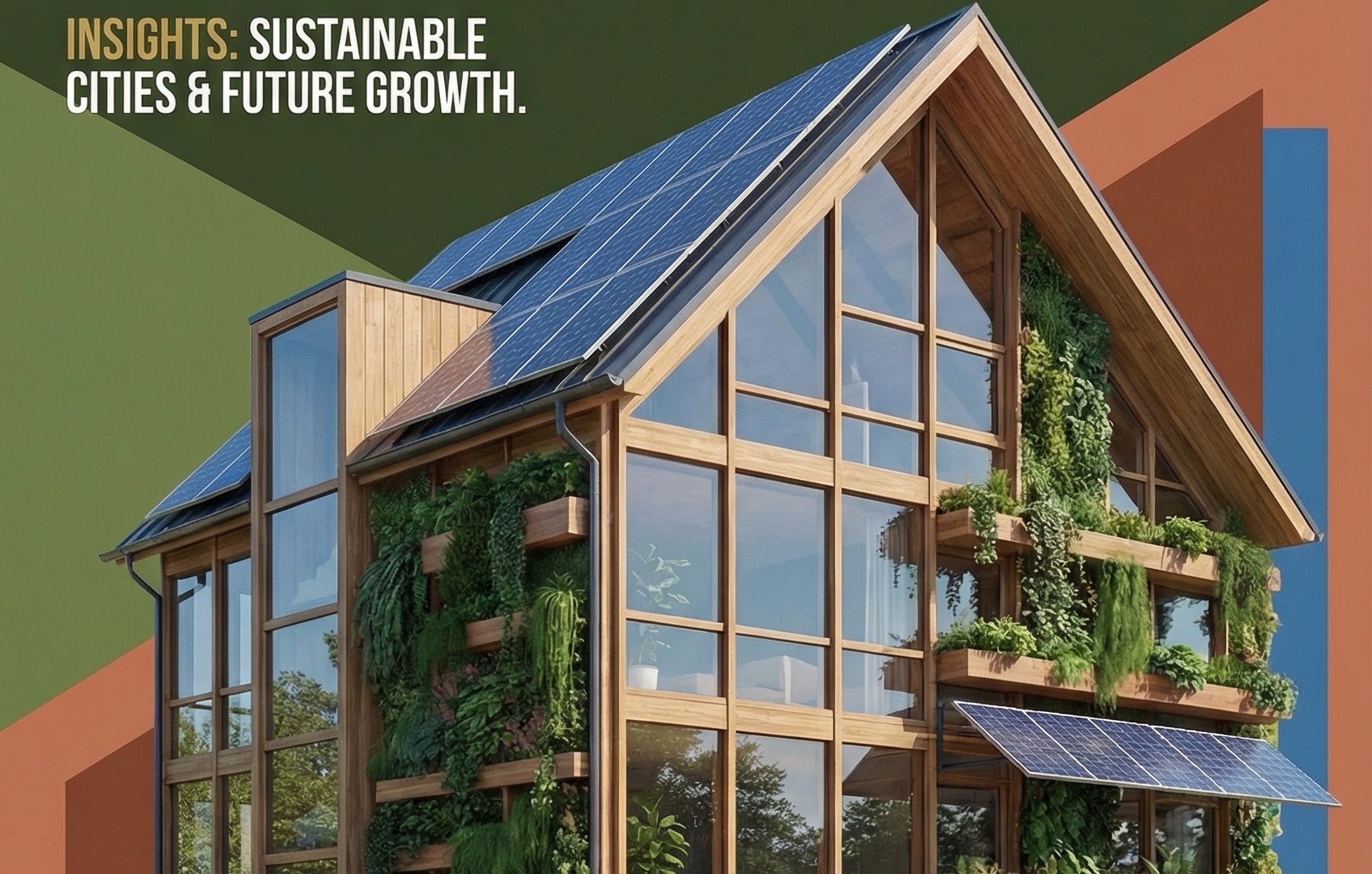
As the global movement toward sustainability gains momentum, Zimbabwe is embracing green building practices to create environmentally friendly and energy-efficient urban spaces. Green buildings prioritize resource efficiency, reduce environmental impact, and improve the quality of life for occupants. This article explores the latest green building trends in Zimbabwe’s urban development, highlighting innovative practices, challenges, and opportunities for growth.
The Need for Green Building in Zimbabwe
Urbanization in Zimbabwe has accelerated in recent years, increasing the demand for housing, commercial spaces, and infrastructure. However, traditional construction methods often lead to significant resource consumption and environmental degradation. Green building offers a solution by promoting sustainable construction techniques that balance development needs with ecological responsibility.
The adoption of green building practices aligns with Zimbabwe’s commitment to global sustainability goals, including climate change mitigation and reducing carbon emissions. By prioritizing eco-friendly urban development, Zimbabwe can address environmental challenges while fostering economic growth.
Key Green Building Trends
1. Energy Efficiency
Energy-efficient designs are at the forefront of green building trends in Zimbabwe. Buildings are being constructed with features such as solar panels, energy-efficient lighting, and smart energy management systems. These innovations reduce reliance on fossil fuels and lower electricity costs, making them appealing to both developers and occupants.
Passive design principles, such as maximizing natural light and ventilation, are also gaining popularity. These features reduce the need for artificial lighting and air conditioning, enhancing energy efficiency while creating comfortable living and working environments.
2. Sustainable Materials
The use of sustainable building materials is a growing trend in Zimbabwe’s construction industry. Locally sourced materials, such as interlocking bricks and compressed earth blocks, are favored for their low environmental impact and cost-effectiveness. Recycled materials, such as steel and plastic, are also being incorporated into building projects to minimize waste.
Bamboo, a fast-growing and renewable resource, is increasingly used for flooring, roofing, and structural elements in green buildings.
3. Water Conservation
With water scarcity being a concern in many parts of Zimbabwe, green buildings are incorporating water-saving technologies. Rainwater harvesting systems, low-flow plumbing fixtures, and greywater recycling systems are becoming standard features in sustainable developments. These solutions reduce water consumption and ensure a reliable supply for essential uses.
4. Green Roofs and Urban Landscaping
Green roofs and vertical gardens are innovative features in urban developments that promote biodiversity and improve air quality. These elements not only enhance the aesthetic appeal of buildings but also provide insulation, reducing heating and cooling needs. Urban landscaping with native plants further contributes to environmental sustainability by requiring less water and maintenance.
5. Mixed-Use Developments
Mixed-use developments that combine residential, commercial, and recreational spaces are gaining traction as a green building trend. These developments reduce the need for extensive transportation, minimizing carbon emissions and promoting walkability. Examples include integrated neighborhoods with accessible amenities, fostering community engagement and reducing urban sprawl.
Challenges in Green Building Adoption
Despite the benefits, green building adoption in Zimbabwe faces challenges. High upfront costs for sustainable technologies and materials can deter developers, particularly in low-income areas. Limited awareness and expertise in green building practices also hinder widespread implementation.
Additionally, the lack of regulatory frameworks and incentives for green construction slows progress. Developers often prioritize short-term cost savings over long-term sustainability benefits, impacting the pace of green urban development.
Opportunities for Growth
Zimbabwe’s green building sector holds significant potential for growth, driven by increasing awareness of environmental issues and the benefits of sustainable construction. Introducing government incentives, such as tax breaks and subsidies for green projects, can encourage adoption. Training programs and partnerships with international green building organizations can build local expertise and capacity.
Promoting public-private partnerships (PPPs) can also accelerate green urban development by combining resources and expertise from different sectors. These collaborations can fund large-scale projects, demonstrating the feasibility and profitability of sustainable construction.
Conclusion
Green building trends in Zimbabwean urban development are paving the way for a more sustainable and resilient future. By adopting energy-efficient designs, sustainable materials, and innovative technologies, the country can create urban spaces that benefit both the environment and its residents. Addressing challenges through policy support, education, and investment will ensure the continued growth of green building practices, positioning Zimbabwe as a leader in sustainable urban development.
Meta Description
Explore the latest green building trends in Zimbabwean urban development, including energy efficiency, sustainable materials, and water conservation technologies.
Keywords
Green building Zimbabwe, sustainable urban development, energy efficiency Zimbabwe, green roofs, sustainable materials Zimbabwe.
Sources
"Sustainable Construction in Zimbabwe: Opportunities and Challenges"
https://www.zimgreenbuilding.org/
"Energy-Efficient Designs for Urban Development"
https://www.africasustainabilityhub.com/
"Water-Saving Technologies in African Urban Spaces"
https://www.waterconservationafrica.org/