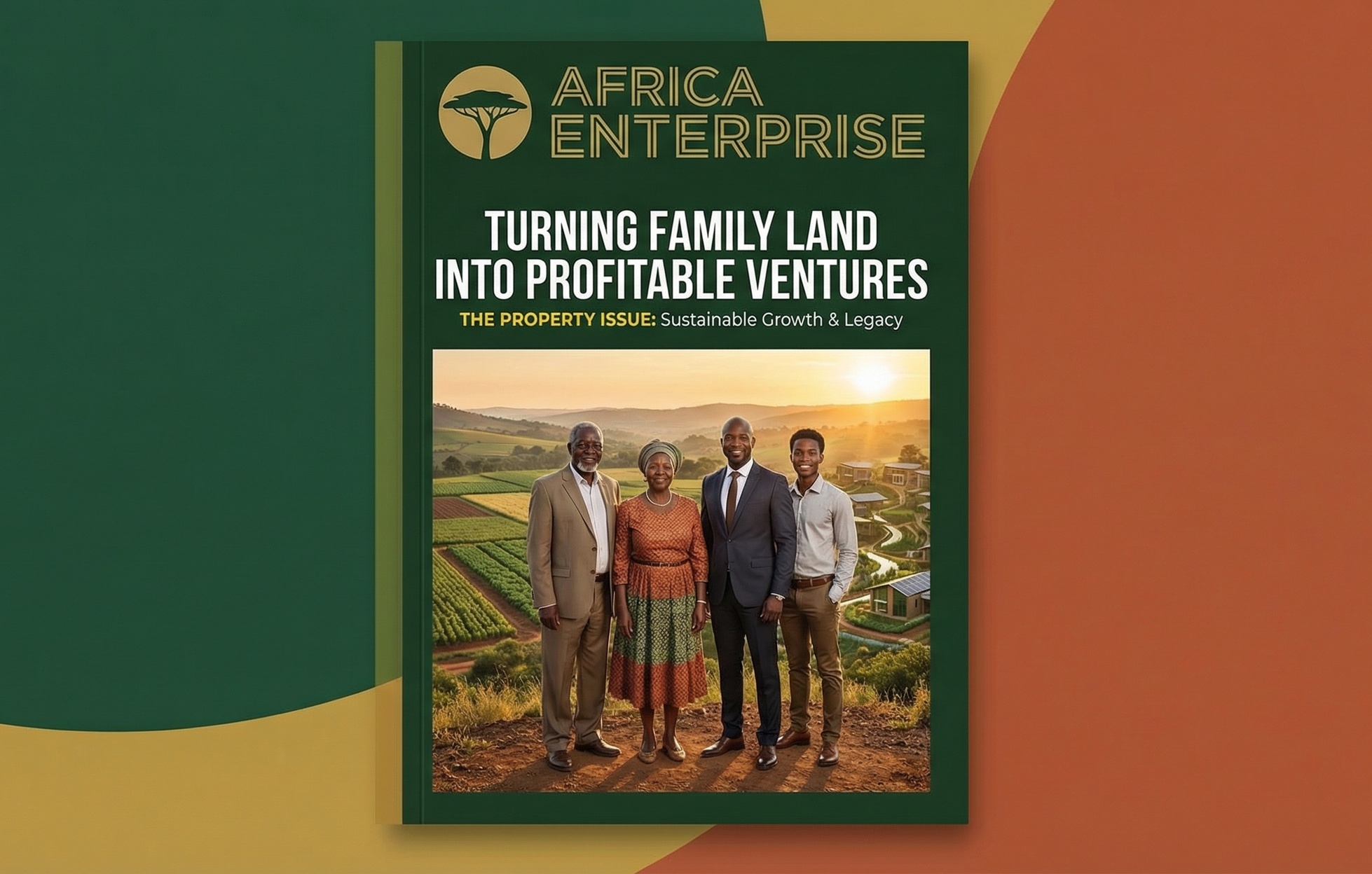
In Zimbabwe, family-owned land represents a significant asset with the potential to generate wealth and improve livelihoods. However, many families struggle to maximize the economic value of their land due to lack of resources, knowledge, or planning. This article explores practical strategies for turning family land into profitable ventures, from agricultural enterprises to real estate development, while considering cultural and legal factors.
The Untapped Potential of Family Land
Family land in Zimbabwe is often underutilized, primarily used for subsistence farming or left idle due to lack of investment. Yet, this land holds immense potential to create economic opportunities. With proper planning and investment, family land can be transformed into a source of sustainable income, contributing to both individual and community development.
Common uses for family land include commercial agriculture, eco-tourism, small-scale manufacturing, and real estate development. Each option requires careful consideration of the land’s location, size, and resources, as well as the family’s goals and financial capacity.
Strategies for Profitable Land Use
1. Commercial Agriculture
Agriculture remains one of the most accessible and rewarding ways to utilize family land. Families can explore high-value crops such as tobacco, paprika, or horticultural produce like tomatoes and peppers. Investing in irrigation systems, organic farming methods, or agro-processing facilities can further enhance profitability.
Livestock farming, such as poultry, cattle, or goat rearing, is another viable option. Diversifying agricultural activities ensures consistent income streams and mitigates risks associated with market fluctuations.
2. Real Estate Development
In areas close to urban centers or major highways, family land can be developed into residential or commercial properties. Subdividing the land into smaller plots for sale or lease is a common strategy. Alternatively, constructing rental units or retail spaces can generate steady income over time.
Families interested in real estate development should engage professional surveyors and architects to ensure compliance with zoning regulations and optimize the land’s value.
3. Eco-Tourism and Recreational Ventures
For land located near natural attractions or scenic landscapes, eco-tourism presents a lucrative opportunity. Establishing lodges, campsites, or nature trails can attract local and international tourists. Adding value through unique experiences, such as cultural tours or conservation activities, enhances the appeal of eco-tourism ventures.
4. Small-Scale Manufacturing
Families can use their land to set up small manufacturing operations, such as brickmaking, woodworking, or food processing. These ventures require minimal capital compared to large-scale industries and can cater to local markets.
5. Partnerships and Joint Ventures
Collaborating with investors or businesses can help families unlock the potential of their land without bearing the full financial burden. For example, a partnership with an agricultural cooperative or a real estate developer can provide the expertise and resources needed to launch a profitable venture.
Legal and Cultural Considerations
When planning to develop family land, it’s essential to address legal and cultural factors. Most family land in Zimbabwe is held under communal or customary tenure, meaning it cannot be sold or transferred without approval from traditional leaders or family elders. Ensuring that all stakeholders are involved in decision-making helps prevent disputes and ensures the venture aligns with family values.
Additionally, obtaining the necessary permits and adhering to land-use regulations is crucial for avoiding legal complications. Consulting legal and financial advisors can streamline the process and provide clarity on ownership and taxation issues.
Challenges and Solutions
Turning family land into a profitable venture comes with challenges, such as limited access to capital, market competition, and logistical constraints. Families can overcome these obstacles by:
Seeking funding from microfinance institutions or agricultural banks.
Conducting thorough market research to identify viable opportunities.
Leveraging government programs or NGO initiatives that support land development.
Conclusion
Family land in Zimbabwe holds untapped potential for generating wealth and improving livelihoods. By exploring innovative uses such as commercial agriculture, real estate development, and eco-tourism, families can transform their land into profitable ventures. Addressing legal and cultural considerations and overcoming challenges through planning and collaboration will ensure the success and sustainability of these initiatives. With the right approach, family land can become a legacy of prosperity for future generations.
Meta Description
Discover practical strategies for turning family land in Zimbabwe into profitable ventures, from agriculture and real estate to eco-tourism and manufacturing.
Keywords
Family land Zimbabwe, profitable land ventures, commercial agriculture Zimbabwe, real estate development Zimbabwe, eco-tourism Zimbabwe.
Sources
"Maximizing the Value of Communal Land in Zimbabwe"
https://www.zimlanddevelopment.org/
"Agricultural Opportunities for Zimbabwean Families"
https://www.zimagriculturehub.com/
"Legal Considerations for Land Development in Zimbabwe"
https://www.zimlawhub.org/