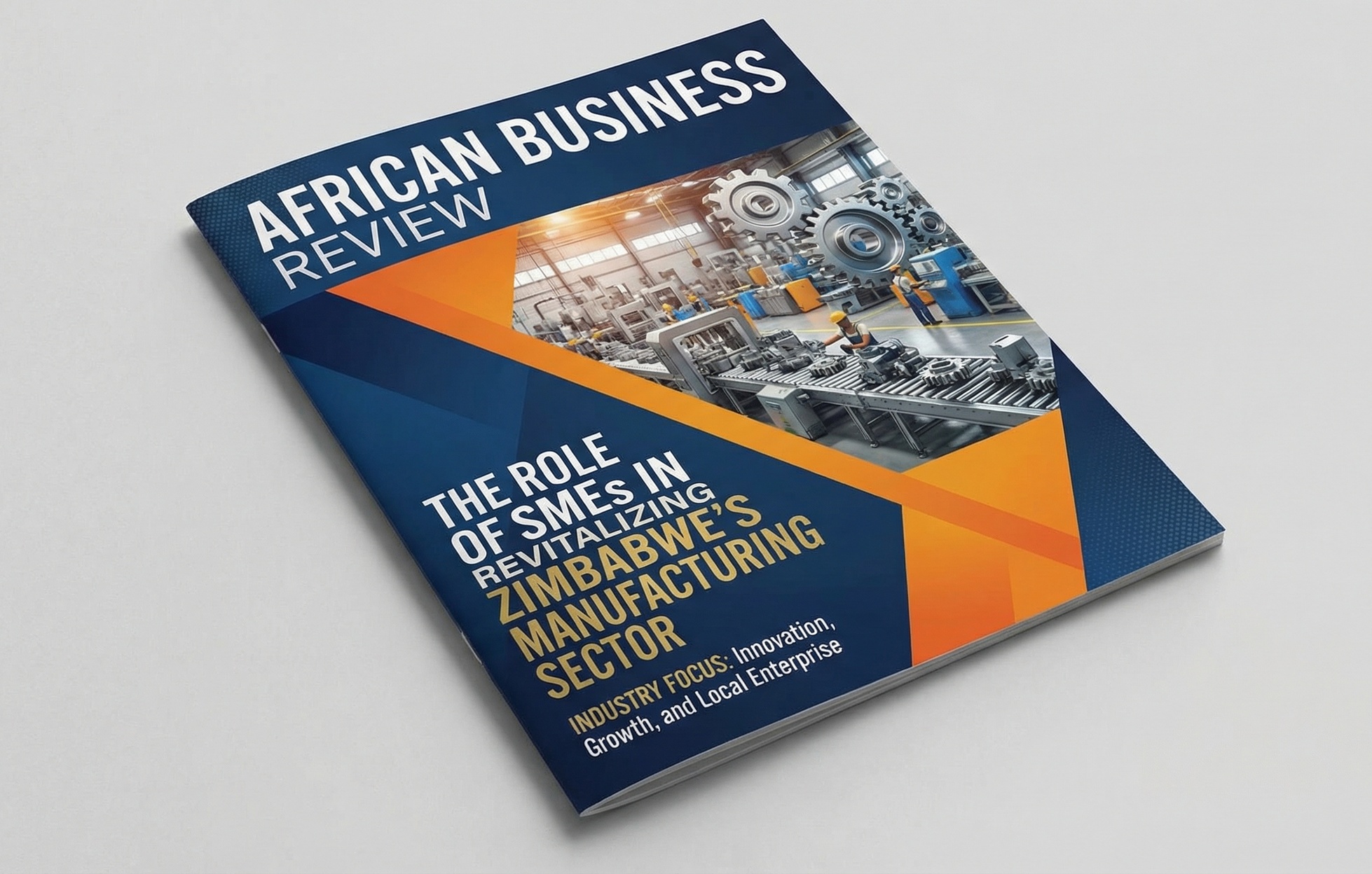
Small and Medium Enterprises (SMEs) are vital drivers of economic development, and in Zimbabwe, they hold the potential to rejuvenate the country’s manufacturing sector. Once a thriving hub of industrial activity, Zimbabwe’s manufacturing industry has faced significant challenges over the past few decades, including economic instability, infrastructure deficits, and limited access to capital. SMEs, with their agility and innovation, are well-positioned to address these challenges and contribute to the sector’s revival. This article examines the role of SMEs in revitalizing Zimbabwe’s manufacturing industry, the opportunities they present, and the support required for their success.
The Decline of Zimbabwe’s Manufacturing Sector
Zimbabwe’s manufacturing sector was historically one of the most robust in Africa, producing goods ranging from textiles and food products to machinery and chemicals. However, economic challenges, including hyperinflation and reduced access to foreign currency, led to a decline in industrial output. Factories closed, jobs were lost, and the country became increasingly reliant on imports to meet domestic demand.
Despite these setbacks, opportunities remain for rebuilding the sector, particularly through the efforts of SMEs. Their ability to adapt quickly to market demands, innovate with limited resources, and cater to niche markets makes them invaluable to the revitalization process.
How SMEs Contribute to Manufacturing
SMEs play a critical role in manufacturing by introducing flexibility and innovation. Unlike large enterprises, SMEs can pivot quickly to adopt new technologies, respond to consumer trends, and develop unique products. In Zimbabwe, SMEs have already made strides in agro-processing, textiles, and light engineering, adding value to raw materials and creating employment.
By establishing small-scale manufacturing units, SMEs reduce the need for expensive imports and foster self-sufficiency. For instance, a local SME producing furniture from reclaimed wood not only generates income but also contributes to sustainability and resource efficiency.
Opportunities for SMEs in Manufacturing
Several opportunities exist for SMEs to thrive in Zimbabwe’s manufacturing sector. Agro-processing, for example, is a high-potential area, where SMEs can add value to agricultural produce such as maize, fruits, and dairy. With proper equipment and training, small businesses can produce canned goods, juices, and cheeses, reducing post-harvest losses and meeting local demand.
Another promising area is renewable energy technology. SMEs can manufacture components for solar panels, biogas systems, and energy-efficient stoves, addressing the country’s energy deficit while creating green jobs. Similarly, the construction sector offers opportunities for SMEs to produce building materials such as bricks, tiles, and cement.
Export markets also provide a pathway for growth. Zimbabwean SMEs can tap into regional and international demand for unique, high-quality products such as handcrafted textiles, jewelry, and artisanal foods.
Challenges Facing SMEs in Manufacturing
Despite their potential, SMEs in Zimbabwe face significant challenges. Limited access to capital remains a major hurdle, as financial institutions often view small businesses as high-risk borrowers. The high cost of electricity and frequent power outages further hinder production, while outdated infrastructure and equipment reduce competitiveness.
Additionally, navigating regulatory requirements can be complex and time-consuming for small businesses, discouraging formalization and growth. These challenges underscore the need for targeted interventions to support SME development in the manufacturing sector.
Support Needed for SME Success
To unlock the full potential of SMEs in manufacturing, a multi-faceted approach is required:
Access to Financing: Government and private sector initiatives should prioritize affordable financing options for SMEs. This could include microloans, grants, or subsidies for purchasing machinery and raw materials.
Infrastructure Development: Investments in reliable electricity, transport, and communication networks are essential to support manufacturing activities.
Capacity Building: Training programs in technical skills, business management, and digital tools can enhance SME productivity and innovation.
Market Linkages: Facilitating connections between SMEs and larger enterprises, export markets, and supply chains will create opportunities for scaling operations.
Policy Support: Simplified regulations, tax incentives, and protection against unfair competition from imports can create a more conducive environment for SMEs.
Conclusion
SMEs are the backbone of Zimbabwe’s economy and hold the key to revitalizing the manufacturing sector. By leveraging their agility, creativity, and local knowledge, SMEs can address challenges in industrial production, reduce reliance on imports, and create jobs. With adequate support in financing, infrastructure, and policy, Zimbabwe’s SMEs can transform the manufacturing landscape, driving sustainable economic growth and industrial resilience.
Meta Description
Explore the role of SMEs in revitalizing Zimbabwe’s manufacturing sector, highlighting their contributions, opportunities, and the support needed for success.
Keywords
SMEs Zimbabwe, manufacturing sector revitalization, agro-processing SMEs, SME challenges Zimbabwe, industrial growth Zimbabwe.
Sources
"The Role of SMEs in Africa’s Industrialization"
https://www.africaindustrialhub.org/
"Opportunities for Manufacturing in Zimbabwe"
https://www.zimbusinessgrowth.org/
"SME Financing Solutions for Developing Economies"
https://www.zimfinancialhub.com/
 WhatsApp for a Google-Ready Website