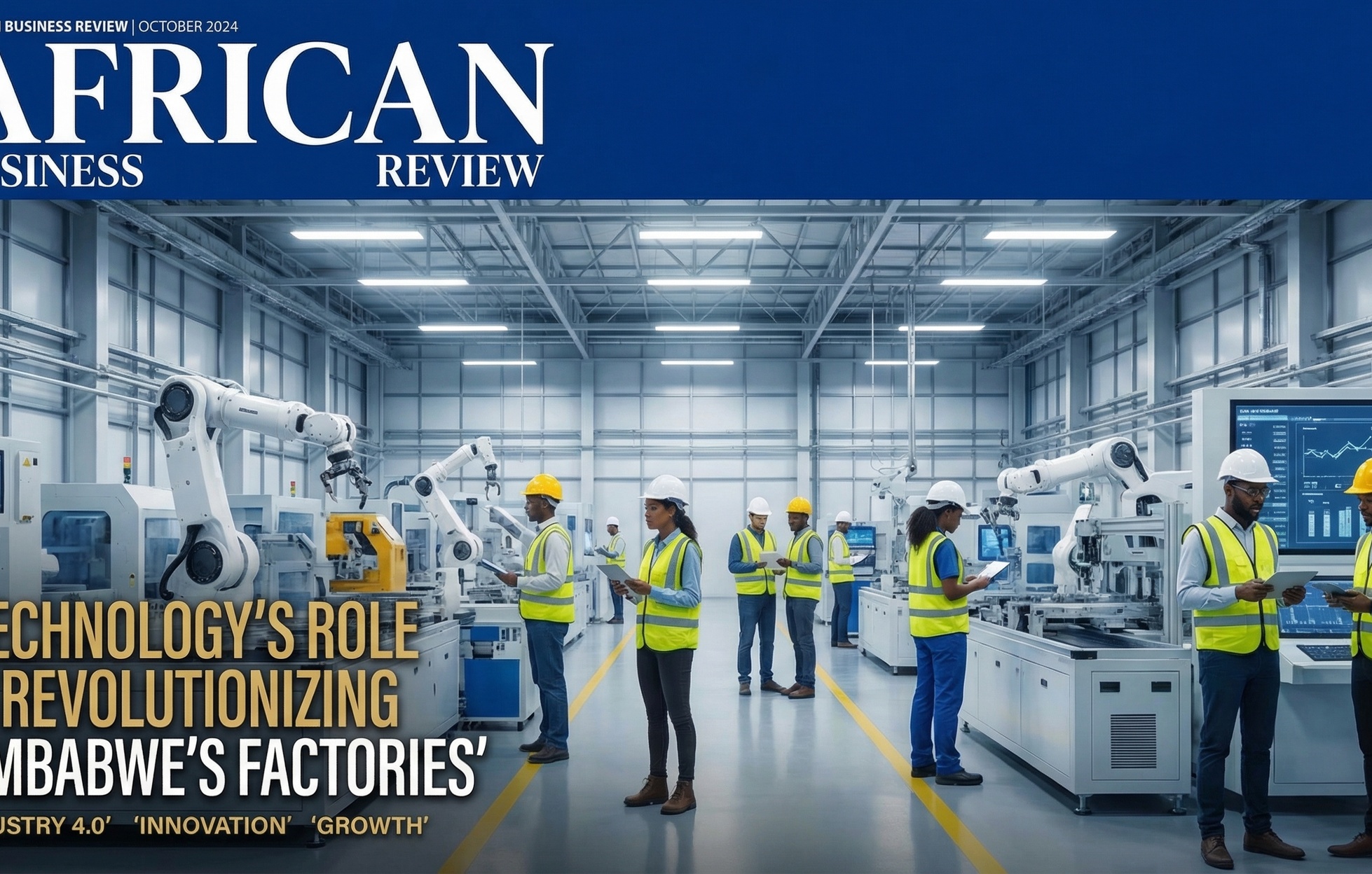
The manufacturing sector in Zimbabwe is on the brink of transformation, driven by the adoption of advanced technologies that promise to enhance efficiency, productivity, and competitiveness. From automation and artificial intelligence (AI) to the Internet of Things (IoT) and 3D printing, technology is revolutionizing factories across the globe, and Zimbabwe is no exception. This article explores how technology is reshaping Zimbabwe’s factories, the challenges to adoption, and the opportunities it presents for industrial growth.
The Current State of Zimbabwean Factories
Zimbabwe’s factories have faced significant challenges over the years, including outdated machinery, unreliable power supply, and limited access to capital. These issues have resulted in lower productivity and higher production costs, reducing competitiveness in regional and international markets.
However, the integration of modern technology into factory operations offers a pathway to overcoming these challenges. By upgrading infrastructure and adopting smart manufacturing practices, Zimbabwean industries can unlock their full potential and contribute to economic growth.
Key Technologies Transforming Factories
Automation and Robotics
Automation is at the heart of modern factory operations, enabling businesses to streamline production processes and reduce human error. Robotics plays a key role in tasks such as assembly, packaging, and quality control, ensuring consistency and efficiency. In Zimbabwe, industries such as food processing and automotive manufacturing stand to benefit significantly from automation.
Artificial Intelligence (AI)
AI-driven systems enhance decision-making by analyzing large volumes of data in real time. Predictive maintenance, for example, uses AI to monitor equipment performance and identify potential issues before they lead to costly downtime. This technology helps factories optimize resources and improve operational reliability.
Internet of Things (IoT)
IoT connects devices and systems within a factory, creating a network of smart machines that communicate and share data. IoT applications in Zimbabwean factories include inventory management, energy monitoring, and predictive analytics. These systems provide actionable insights, enabling factories to improve efficiency and reduce waste.
3D Printing
Also known as additive manufacturing, 3D printing allows factories to produce prototypes and customized products quickly and cost-effectively. This technology is particularly useful in industries such as healthcare, automotive, and consumer goods. Zimbabwean businesses can leverage 3D printing to create innovative products and compete in niche markets.
Renewable Energy Solutions
The adoption of solar power and other renewable energy sources is addressing the energy challenges faced by Zimbabwean factories. Solar-powered systems not only reduce operational costs but also contribute to sustainability, aligning with global environmental standards.
Benefits of Technology Adoption
Integrating advanced technologies into Zimbabwe’s factories offers numerous benefits. Increased automation and smart systems boost productivity by reducing downtime and optimizing resource utilization. This translates to lower production costs, enabling local industries to compete more effectively in global markets.
Technology also enhances product quality by minimizing defects and ensuring consistency. IoT-enabled quality control systems, for example, monitor production in real time, allowing factories to address issues immediately. Moreover, adopting sustainable technologies, such as energy-efficient equipment and renewable energy, reduces environmental impact and improves corporate social responsibility.
Challenges to Technology Adoption
Despite its potential, the adoption of advanced technologies in Zimbabwe’s factories faces several challenges. High initial costs for equipment and infrastructure upgrades are a significant barrier for many businesses. Limited access to financing further exacerbates this issue, particularly for small and medium-sized enterprises (SMEs).
Another challenge is the lack of technical expertise. Implementing and maintaining advanced technologies require skilled personnel, and the shortage of trained professionals in Zimbabwe hinders adoption. Additionally, unreliable electricity and internet connectivity can disrupt the operation of smart systems, reducing their effectiveness.
Strategies for Overcoming Challenges
To accelerate technology adoption, businesses and stakeholders must work together to address these barriers. Public-private partnerships (PPPs) can mobilize resources for infrastructure development and provide financial support for technology upgrades. Offering tax incentives and grants for technology investments can also encourage adoption.
Capacity-building programs, such as technical training and certifications, are essential for developing a skilled workforce. Collaborations with educational institutions and international technology providers can help bridge the skills gap.
Investing in renewable energy solutions, such as solar power, ensures reliable energy supply for factories, enabling uninterrupted operation of advanced systems.
Conclusion
Technology is revolutionizing factories in Zimbabwe, offering solutions to long-standing challenges and opening doors to new opportunities. By embracing automation, AI, IoT, and renewable energy, industries can enhance productivity, reduce costs, and improve competitiveness. While challenges such as high costs and skills shortages remain, strategic investments, partnerships, and capacity-building initiatives will pave the way for a tech-driven industrial future. With the right approach, Zimbabwe’s factories can become hubs of innovation and growth, contributing to the nation’s economic transformation.
Meta Description
Explore how technology is revolutionizing factories in Zimbabwe with automation, AI, IoT, and renewable energy, driving efficiency and innovation.
Keywords
Factory technology Zimbabwe, automation in manufacturing, IoT in factories, renewable energy Zimbabwe, industrial innovation Zimbabwe.
Sources
"Automation and Smart Manufacturing in Africa"
https://www.africasmartindustry.org/
"The Role of AI in Manufacturing"
https://www.globaltechhub.com/
"Renewable Energy for Zimbabwean Industries"
https://www.zimrenewablesolutions.com/