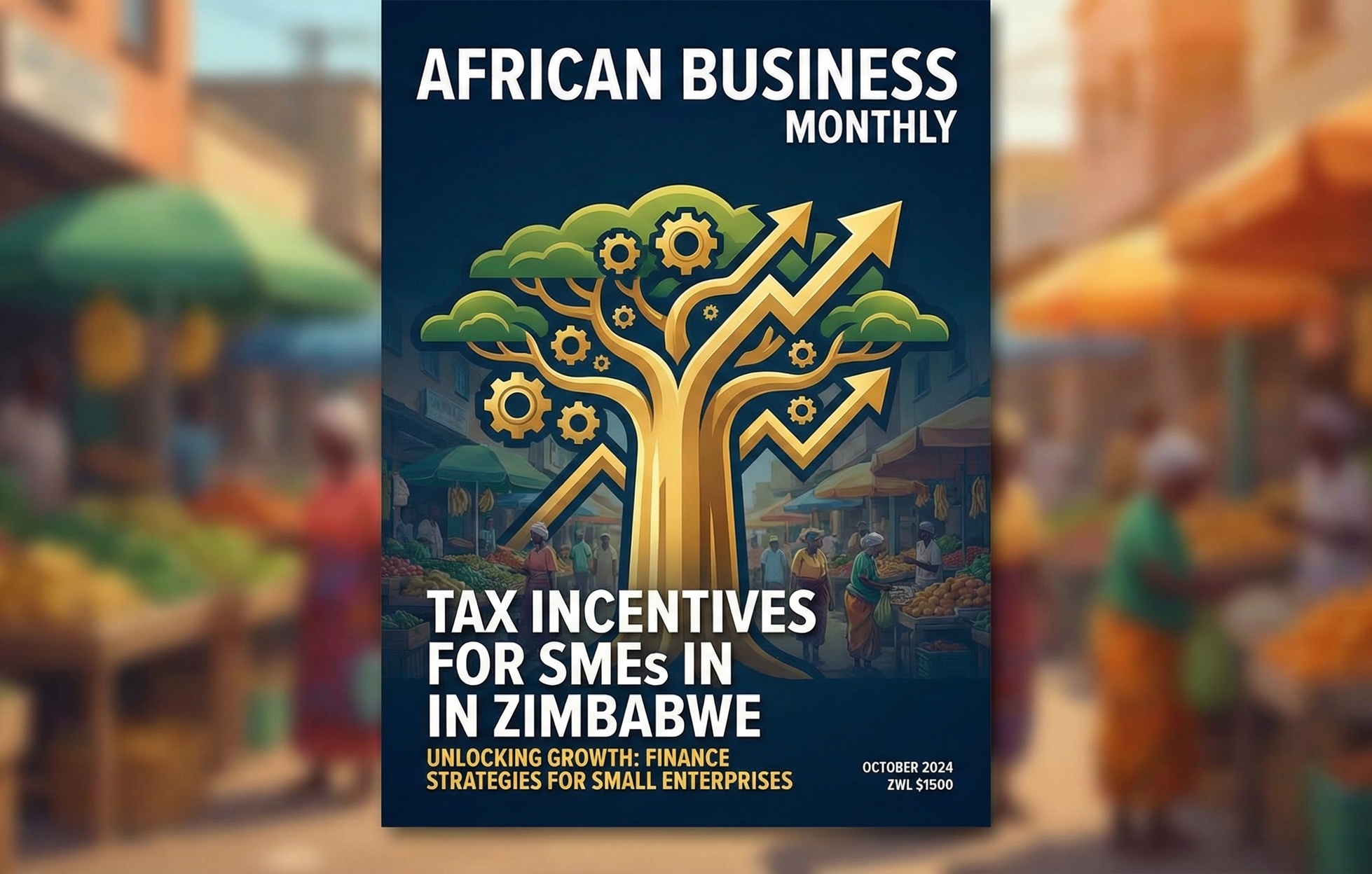
Small and Medium Enterprises (SMEs) are vital to Zimbabwe's economy, contributing significantly to employment, innovation, and GDP growth. To foster the growth of this sector, the Zimbabwean government offers various tax incentives designed to reduce the financial burden on SMEs and encourage their formalization. Understanding these incentives is essential for business owners looking to maximize their financial resources and enhance their competitiveness. This article explores the tax incentives available to SMEs in Zimbabwe and how businesses can benefit from them.
Importance of Tax Incentives for SMEs
Tax incentives play a crucial role in supporting SMEs by improving cash flow, reducing operating costs, and creating a conducive environment for growth and investment. For many SMEs, tax compliance is perceived as a challenge due to high rates or complex regulations. Incentives such as tax breaks, exemptions, and rebates help alleviate these pressures, allowing businesses to focus on expansion and innovation.
Additionally, these incentives encourage the formalization of businesses, enabling them to access financing, participate in government tenders, and build stronger relationships with stakeholders.
Tax Incentives Available for SMEs in Zimbabwe
Several tax incentives specifically cater to SMEs, targeting areas such as income tax, value-added tax (VAT), and customs duties.
One of the key incentives is the Presumptive Tax Regime, which applies to informal businesses that are not formally registered for income tax. This regime provides a simplified tax structure with fixed rates based on the nature of the business, such as transport operators, hairdressers, and small-scale traders. By easing the tax compliance process, the presumptive tax regime aims to bring informal businesses into the tax net without imposing excessive administrative burdens.
Another significant incentive is the Tax Holiday for Startups, which exempts newly established SMEs from paying corporate income tax for their first year of operation. This incentive provides much-needed financial relief during the critical early stages of business development.
SMEs involved in export activities can benefit from the Export Development Incentive, which offers rebates or reduced tax rates for earnings derived from exports. This measure encourages businesses to explore international markets and contribute to foreign currency generation.
Customs duty exemptions are available for SMEs importing machinery, equipment, or raw materials used in manufacturing. These exemptions reduce production costs and support local industries, particularly in agriculture and manufacturing sectors.
VAT incentives, such as the VAT refund system, allow SMEs to recover VAT paid on business-related purchases, improving cash flow and reducing operational expenses.
Benefits of Tax Incentives for SMEs
Tax incentives provide a range of benefits that directly impact the growth and sustainability of SMEs. For instance, reduced tax liability frees up resources that can be reinvested in key areas such as marketing, infrastructure, or employee training. Improved cash flow enables businesses to manage day-to-day operations more effectively, reducing the risk of financial distress.
Furthermore, formalization through tax compliance enhances the credibility of SMEs, making them more attractive to investors and lenders. Access to financing becomes easier, as financial institutions prefer working with businesses that demonstrate financial transparency and stability.
Export-focused incentives also open up opportunities for SMEs to compete in regional and international markets, diversifying their revenue streams and reducing reliance on local demand.
Challenges in Accessing Tax Incentives
Despite the advantages, many SMEs face challenges in accessing tax incentives due to limited awareness, complex application processes, and inadequate record-keeping. Some business owners may not fully understand the eligibility criteria or documentation requirements, resulting in missed opportunities.
To address these challenges, government agencies, financial institutions, and SME support organizations must enhance outreach and education efforts. Simplifying application procedures and providing training on tax compliance can empower SMEs to take full advantage of available incentives.
Conclusion
Tax incentives are a powerful tool for promoting the growth and formalization of SMEs in Zimbabwe. By reducing financial burdens and encouraging compliance, these measures create a supportive environment for entrepreneurship and innovation. SMEs that leverage these incentives can improve their competitiveness, access new markets, and contribute more effectively to the country’s economic development. Awareness and proactive engagement with these incentives will ensure that SMEs reap the full benefits of Zimbabwe's tax support framework.
Meta Description
Explore tax incentives for SMEs in Zimbabwe, including tax holidays, presumptive tax regimes, VAT refunds, and export incentives, to enhance growth and competitiveness.
Keywords
Tax incentives Zimbabwe, SMEs tax breaks, presumptive tax regime, VAT refunds SMEs, export tax incentives Zimbabwe, customs duty exemptions.
Sources
"Tax Incentives for Small Businesses in Zimbabwe"
https://www.zimbabwetaxauthority.org/
"How Tax Relief Benefits Zimbabwean SMEs"
https://www.zimbusinesssupport.org/
"Export Incentives and Customs Duty Exemptions"
https://www.zimcustomshub.org/
 WhatsApp for a Google-Ready Website