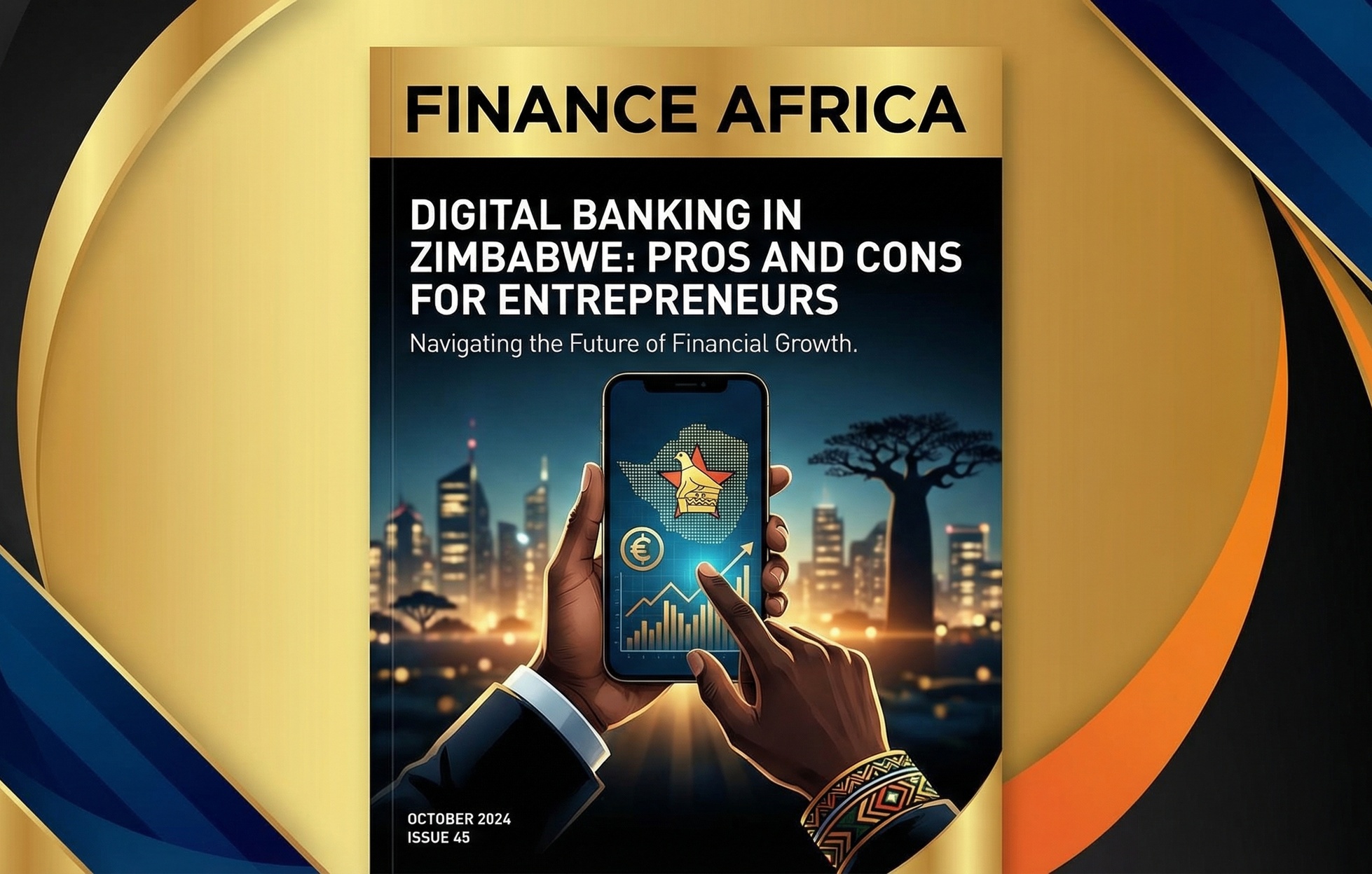
Digital banking has revolutionized the financial sector in Zimbabwe, providing entrepreneurs with tools to streamline their operations, improve cash flow management, and access services previously confined to physical bank branches. Platforms such as EcoCash, OneMoney, and Zipit have made transactions faster and more efficient, while banks have introduced mobile apps and online banking options to cater to tech-savvy clients. However, despite its transformative potential, digital banking also presents challenges that entrepreneurs must navigate carefully.
Advantages of Digital Banking for Entrepreneurs
Digital banking offers unparalleled convenience, allowing entrepreneurs to manage their accounts and conduct transactions from anywhere, at any time. This eliminates the need to visit bank branches, saving time that can be directed toward running their businesses. Entrepreneurs can now track cash flow in real time, monitor payments, and receive instant updates on account activities, fostering better financial management.
Another significant benefit is cost savings. Digital platforms reduce expenses related to cash handling, transportation, and in-person banking services. For small-scale entrepreneurs, who often operate on tight margins, this can translate into greater profitability. Additionally, digital banking promotes financial inclusion by extending services to rural and underserved areas. Mobile wallets and online accounts empower these entrepreneurs to participate in formal financial systems, giving them access to loans, savings, and investment opportunities.
Enhanced security is another critical advantage. Digital banking incorporates encryption and multi-factor authentication to protect users’ funds and information. This reduces the risks associated with physical cash transactions, such as theft or fraud. Moreover, digital tools often provide detailed transaction histories, making record-keeping more straightforward for business owners.
Challenges of Digital Banking in Zimbabwe
Despite its advantages, digital banking comes with its own set of challenges. Infrastructure remains a significant hurdle, particularly in rural areas where internet connectivity and electricity supply are unreliable. Entrepreneurs in these regions often struggle to access banking services consistently, limiting the effectiveness of digital platforms.
Cybersecurity is another pressing concern. While digital banking systems employ robust security measures, they are not immune to hacking attempts, phishing scams, or fraudulent activities. Entrepreneurs must remain vigilant to avoid falling victim to such threats, which could compromise their business operations.
Financial and technological literacy is another barrier to the widespread adoption of digital banking. Many entrepreneurs, especially those in rural areas, lack the skills to navigate online platforms effectively, resulting in missed opportunities. Furthermore, system downtimes and technical glitches can disrupt business operations, particularly during peak hours or critical transactions. This unreliability creates frustration and can erode trust in digital banking systems.
Finally, while many basic digital banking services are free, advanced features such as analytics tools or premium accounts often come at an additional cost. These expenses can deter small-scale entrepreneurs who may already face financial constraints.
Navigating the Digital Banking Landscape
Entrepreneurs can maximize the benefits of digital banking by focusing on education and security. Investing in financial literacy programs will equip them with the skills to use digital tools effectively. Additionally, adopting robust security practices, such as enabling multi-factor authentication and regularly updating passwords, can help protect against cyber threats.
Exploring multiple digital banking platforms can also reduce reliance on a single system, ensuring business continuity during downtimes. Engaging with service providers to address specific challenges, such as rural connectivity, will foster improvements and make digital banking more inclusive.
Conclusion
Digital banking in Zimbabwe has the potential to transform how entrepreneurs manage their finances, offering unparalleled convenience, cost savings, and access to financial systems. However, its full benefits can only be realized by addressing challenges such as infrastructure gaps, cybersecurity risks, and limited financial literacy. With the right strategies and support, digital banking can become a powerful tool for entrepreneurial growth, driving innovation and resilience in Zimbabwe’s business landscape.
Meta Description
Discover the pros and cons of digital banking in Zimbabwe for entrepreneurs. Learn how it fosters convenience, financial inclusion, and cost savings while addressing challenges.
Keywords
Digital banking Zimbabwe, mobile banking for entrepreneurs, financial inclusion Zimbabwe, cash flow management, fintech Zimbabwe.
Sources
"The Evolution of Digital Banking in Zimbabwe"
https://www.zimbankingsolutions.org/
"Digital Tools for Small Businesses in Zimbabwe"
https://www.africafintechhub.com/
"Security Best Practices for Digital Banking"
https://www.cybersecureafrica.org/
 WhatsApp for a Google-Ready Website