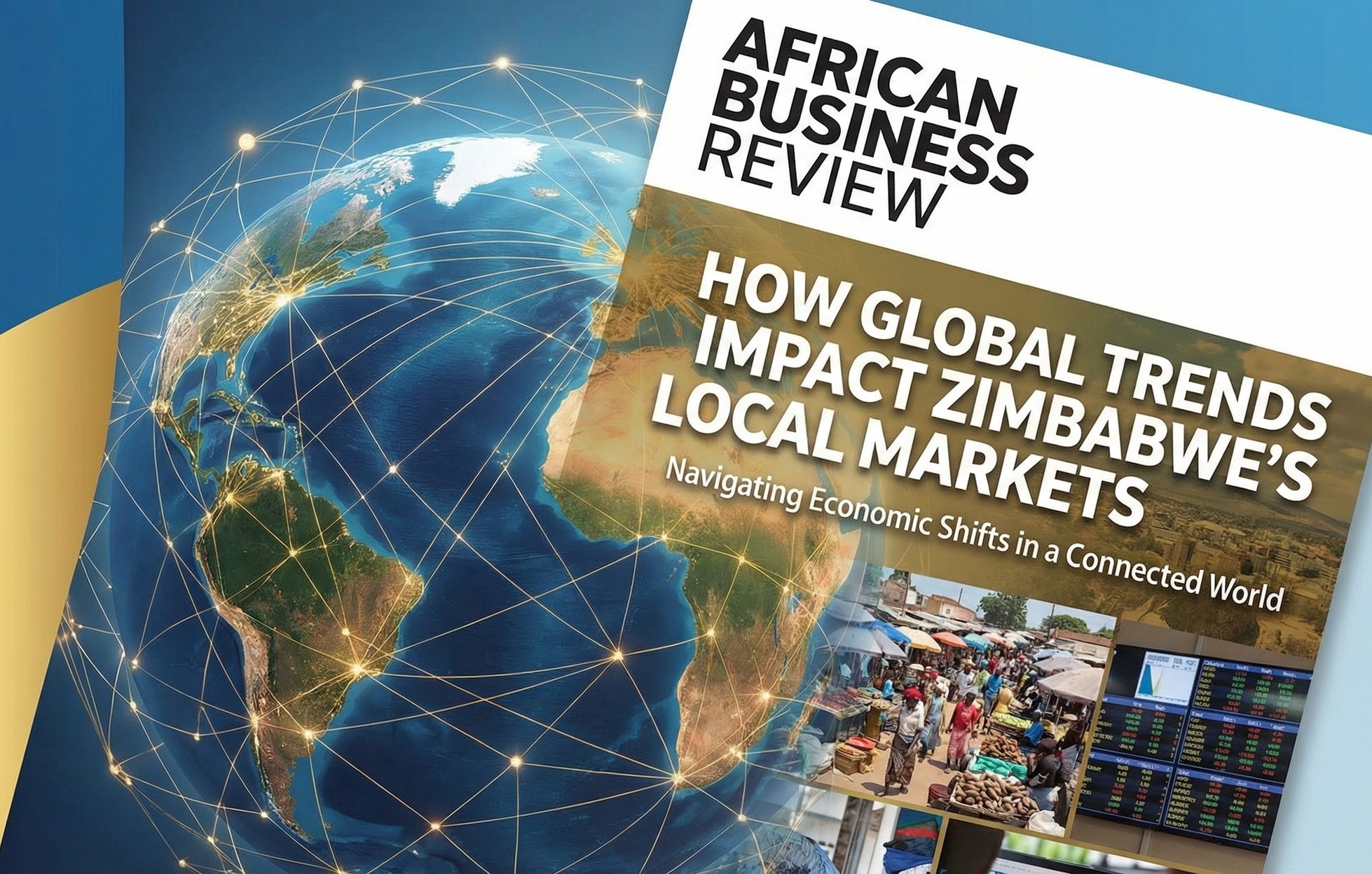
Global economic trends and developments significantly influence local markets in Zimbabwe, shaping consumer behavior, business operations, and industry dynamics. From shifts in commodity prices to technological advancements and geopolitical events, Zimbabwe's economy is deeply interconnected with the global landscape. This article examines the key global trends affecting Zimbabwe’s local markets and offers insights into how businesses and policymakers can adapt to these changes for sustainable growth.
The Ripple Effect of Global Trends
Global trends impact Zimbabwe’s local markets through direct and indirect channels. Changes in commodity prices, for example, influence the country’s export earnings and foreign currency availability. Similarly, global technological advancements, such as the rise of e-commerce and artificial intelligence (AI), reshape business operations and consumer expectations. Understanding these trends is crucial for local businesses to remain competitive and for policymakers to make informed decisions.
Key Global Trends Impacting Zimbabwe
1. Fluctuations in Commodity Prices
Zimbabwe’s economy relies heavily on the export of commodities such as gold, tobacco, and platinum. Global price fluctuations for these commodities directly affect export revenues and foreign exchange reserves. For instance, a rise in gold prices boosts earnings for miners and the national economy, while a decline in tobacco prices can strain farmers and exporters. Local businesses reliant on imported goods are also impacted by changes in oil prices, which affect transportation costs and inflation.
2. The Shift Toward Renewable Energy
The global transition to renewable energy is creating opportunities and challenges for Zimbabwe. As demand for minerals like lithium and cobalt increases for use in batteries and renewable technologies, Zimbabwe has an opportunity to capitalize on its vast mineral resources. However, the declining reliance on fossil fuels may affect markets for traditional energy commodities, requiring diversification strategies.
3. Digital Transformation
Technological advancements such as artificial intelligence, blockchain, and e-commerce are transforming global markets and reshaping local industries. In Zimbabwe, businesses are leveraging digital tools to enhance efficiency, reach customers, and streamline operations. E-commerce platforms enable small businesses to tap into international markets, while blockchain technology enhances transparency in sectors like agriculture and finance.
4. Geopolitical Events and Trade Policies
Geopolitical tensions, trade wars, and shifting trade agreements influence global markets, with ripple effects on Zimbabwe. For instance, disruptions in international supply chains due to conflicts or pandemics can affect the availability of imported goods and raw materials. Similarly, trade policies enacted by major economies can alter Zimbabwe’s access to global markets.
5. Climate Change and Environmental Sustainability
Climate change is a global challenge with profound implications for Zimbabwe’s agriculture, energy, and infrastructure sectors. Changing weather patterns and extreme events such as droughts and floods disrupt agricultural production and supply chains. Additionally, the global emphasis on sustainability requires Zimbabwean businesses to adopt eco-friendly practices to remain competitive in international markets.
Adapting to Global Trends
To thrive in a dynamic global environment, Zimbabwean businesses and policymakers must adopt proactive strategies:
Diversifying Exports: Reducing dependence on a few commodities by developing value-added products and exploring new markets can mitigate the impact of price fluctuations. For example, processing raw agricultural products into finished goods like juices or canned vegetables adds value and resilience to exports.
Investing in Technology: Embracing digital transformation enables businesses to operate more efficiently and tap into global opportunities. E-commerce, mobile banking, and digital marketing are essential tools for reaching broader audiences and increasing competitiveness.
Promoting Renewable Energy: Developing renewable energy infrastructure not only addresses local energy deficits but also aligns Zimbabwe with global sustainability trends. Investments in solar power, wind energy, and green technologies can attract foreign investors and create jobs.
Enhancing Policy Frameworks: Policymakers must create an enabling environment for businesses by simplifying regulations, improving infrastructure, and fostering trade partnerships. Engaging in regional and international trade agreements ensures access to global markets and reduces trade barriers.
Building Climate Resilience: Investing in climate-smart agricultural practices, sustainable infrastructure, and disaster preparedness enhances resilience to environmental challenges. Collaborating with international organizations for funding and technical assistance can support these efforts.
Conclusion
Global trends have a profound impact on Zimbabwe’s local markets, influencing everything from commodity prices to technological adoption and environmental sustainability. By understanding these trends and adopting adaptive strategies, Zimbabwean businesses and policymakers can turn challenges into opportunities and position the country for long-term growth. Embracing innovation, diversifying exports, and aligning with global developments will ensure Zimbabwe remains competitive in an increasingly interconnected world.
Meta Description
Discover how global trends like commodity price fluctuations, digital transformation, and climate change impact Zimbabwe’s local markets and business strategies.
Keywords
Global trends Zimbabwe, local market impact, commodity prices Zimbabwe, renewable energy Zimbabwe, digital transformation Zimbabwe.
Sources
"The Impact of Global Markets on African Economies"
https://www.globalmarketinsights.org/
"Digital Transformation in Emerging Markets"
https://www.digitalafricahub.org/
"Climate Resilience Strategies for Developing Economies"
https://www.climatesolutionsafrica.com/