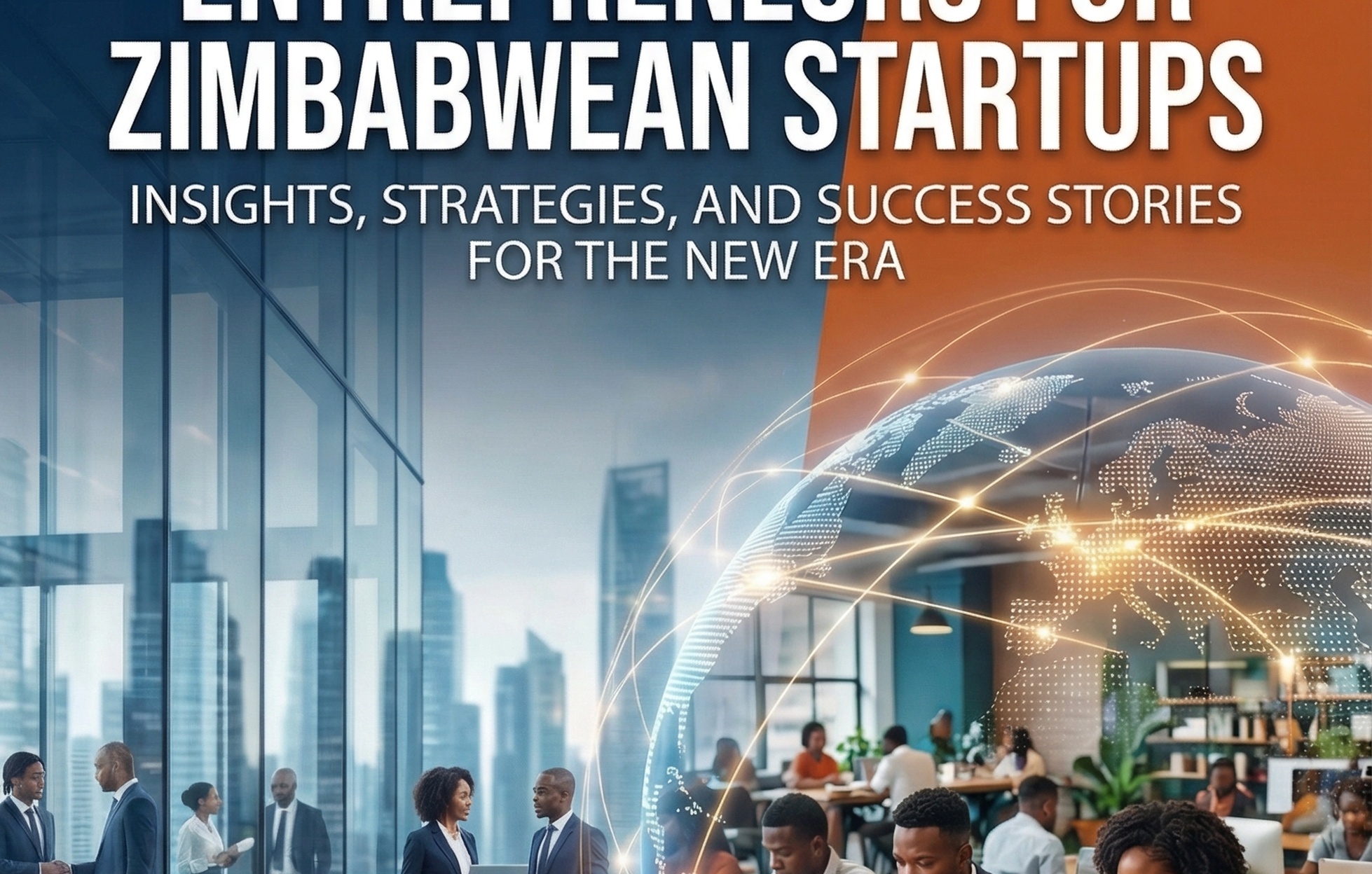
Global entrepreneurs offer invaluable insights for Zimbabwean startups seeking to navigate challenges, scale operations, and thrive in competitive markets. From Silicon Valley to emerging economies in Asia and Africa, successful entrepreneurs have demonstrated strategies and practices that drive innovation, resilience, and growth. By studying these lessons, Zimbabwean startups can adopt proven methods to overcome local barriers and capitalize on opportunities in a dynamic economic landscape. This article explores key takeaways from global entrepreneurs and their relevance to Zimbabwe’s startup ecosystem.
Innovation as a Competitive Edge
One of the most significant lessons from global entrepreneurs is the importance of innovation. Companies like Apple, Tesla, and Alibaba have consistently prioritized innovation, developing unique products and services that address market needs. For Zimbabwean startups, innovation does not necessarily mean reinventing the wheel—it can involve adapting existing ideas to local contexts.
For instance, leveraging mobile technology to offer financial services in rural areas or creating affordable, eco-friendly packaging solutions can differentiate a business. By identifying unmet needs and crafting creative solutions, startups can carve out a competitive niche in their respective industries.
The Power of Resilience
Global entrepreneurs often cite resilience as a critical factor in their success. Building a business comes with setbacks, whether due to market changes, funding challenges, or regulatory hurdles. Entrepreneurs such as Elon Musk and Jack Ma have emphasized the importance of perseverance in the face of adversity.
For Zimbabwean startups operating in an unpredictable economic environment, resilience is particularly crucial. Developing contingency plans, diversifying revenue streams, and maintaining a positive mindset can help businesses weather challenges and emerge stronger.
Embracing Technology and Digital Tools
Technology has been a game-changer for startups worldwide, enabling businesses to scale quickly and efficiently. Global entrepreneurs have demonstrated how digital tools can streamline operations, improve customer experiences, and drive growth. Platforms like Shopify, Zoom, and Salesforce have empowered startups to compete on a global scale with minimal resources.
Zimbabwean startups can harness technology to overcome infrastructure challenges and reach broader markets. For example, using e-commerce platforms to sell products, social media for marketing, and cloud-based tools for collaboration can significantly enhance operational efficiency.
Building Strong Networks
Networking is another key takeaway from global entrepreneurs. Successful startups often thrive on strong connections with mentors, investors, and industry peers. Networks provide access to resources, knowledge, and opportunities that can accelerate business growth.
In Zimbabwe, building relationships within local and regional startup ecosystems can open doors to funding, partnerships, and market entry. Participating in events such as trade fairs, pitch competitions, and industry conferences can help entrepreneurs expand their networks and gain valuable exposure.
Prioritizing Customer-Centricity
Customer-centricity is at the heart of many successful entrepreneurial ventures. Companies like Amazon and Airbnb have achieved global success by consistently delivering exceptional customer experiences and responding to feedback.
Zimbabwean startups can adopt this principle by focusing on understanding their customers’ needs, preferences, and pain points. Regularly seeking feedback, improving products and services based on customer insights, and providing excellent customer service are essential for building loyalty and driving growth.
Securing Strategic Partnerships
Partnerships have played a pivotal role in the success of global startups. Collaborations with larger corporations, government agencies, or NGOs can provide startups with resources, credibility, and market access.
For example, Zimbabwean startups in agriculture could partner with export councils to reach international markets, while those in technology might collaborate with telecom providers to expand their reach. Strategic partnerships create win-win scenarios, enabling startups to scale while delivering value to their partners.
Conclusion
The experiences of global entrepreneurs offer valuable lessons for Zimbabwean startups striving to succeed in challenging environments. By prioritizing innovation, resilience, technology adoption, networking, customer-centricity, and strategic partnerships, startups can position themselves for growth and sustainability. Adapting these strategies to Zimbabwe’s unique context will empower entrepreneurs to overcome local barriers and compete effectively in regional and international markets.
Meta Description
Discover lessons from global entrepreneurs that Zimbabwean startups can adopt, including innovation, resilience, and building strategic partnerships for success.
Keywords
Global entrepreneurship lessons, Zimbabwean startups, innovation strategies, customer-centric business, startup resilience Zimbabwe.
Sources
"Startup Lessons from Global Entrepreneurs"
https://www.globalstartupinsights.org/
"How Technology Drives Startup Growth"
https://www.techforstartups.com/
"Networking for Entrepreneurial Success"
https://www.businessnetworkinghub.org/