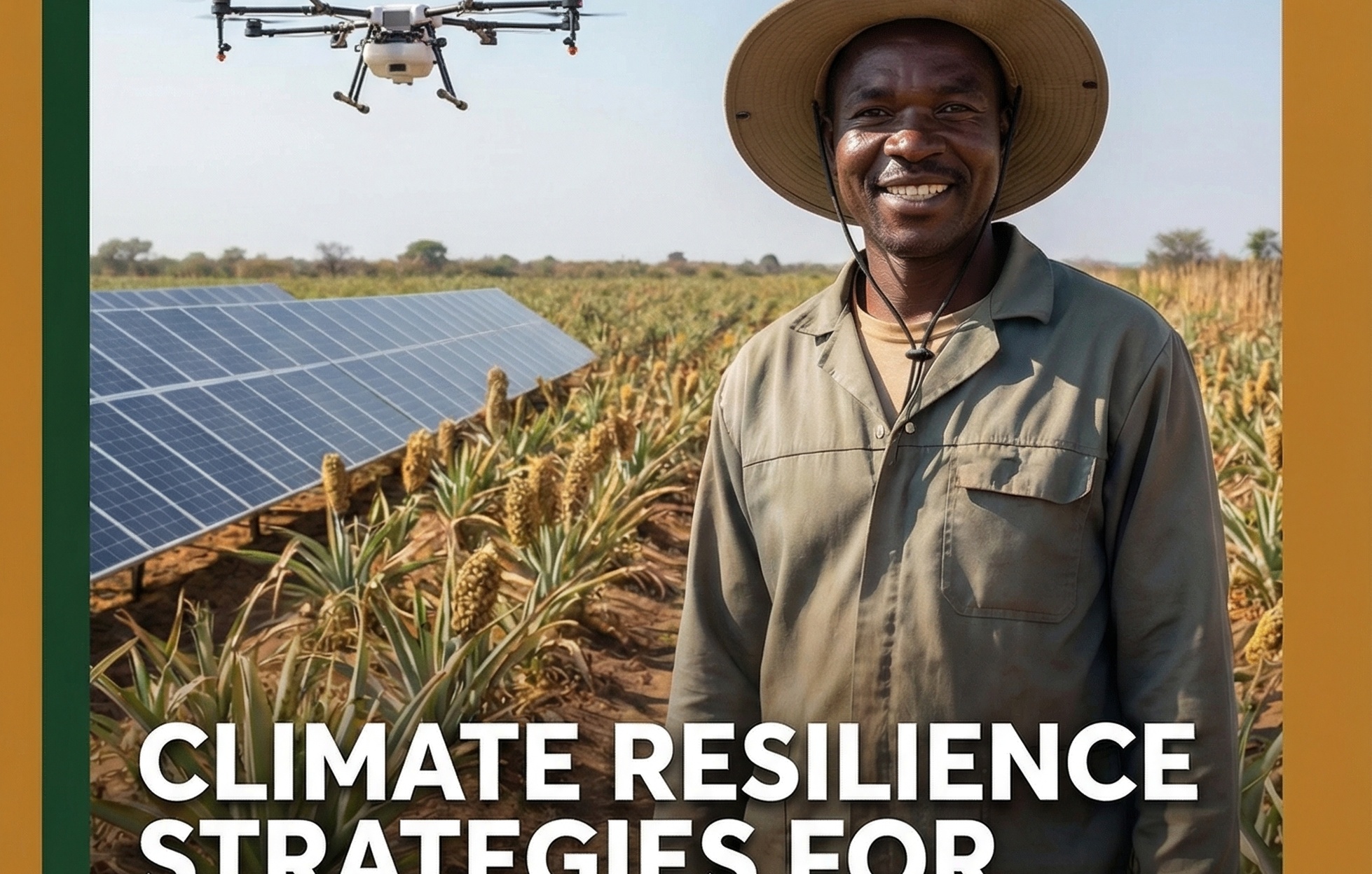
Climate change poses a significant threat to agriculture in Zimbabwe, affecting crop yields, water availability, and food security. Farmers across the country are experiencing erratic weather patterns, prolonged droughts, and increased pest infestations, all of which jeopardize livelihoods and economic stability. Adopting climate resilience strategies is essential for mitigating these impacts and ensuring the sustainability of Zimbabwe’s agricultural sector. This article explores practical methods that farmers can implement to adapt to and thrive under changing climate conditions.
Understanding Climate Resilience in Agriculture
Climate resilience refers to the ability of farming systems to anticipate, adapt to, and recover from adverse climatic events. It involves implementing practices that enhance the sustainability and productivity of agricultural operations while minimizing vulnerability to environmental stressors. For Zimbabwe’s farmers, building resilience is not just a necessity but a means of safeguarding food security for future generations.
Climate Resilience Strategies for Farmers
1. Conservation Agriculture
Conservation agriculture is a set of practices designed to improve soil health and water retention. Key principles include minimum soil disturbance (reduced tillage), permanent soil cover (mulching), and crop rotation. These techniques help maintain soil fertility, reduce erosion, and improve water efficiency, making farms more resilient to drought and heavy rains.
Farmers in Zimbabwe adopting conservation agriculture have reported increased yields and reduced production costs, even in challenging weather conditions.
2. Agroforestry
Agroforestry integrates trees and shrubs into agricultural landscapes, providing multiple benefits such as shade, windbreaks, and improved soil structure. Trees also act as carbon sinks, mitigating the effects of climate change. Fruit and nut trees, in particular, offer additional income streams for farmers while enhancing biodiversity.
3. Drought-Resistant Crops
Planting drought-resistant and early-maturing crop varieties is a practical solution for coping with water scarcity. Crops such as millet, sorghum, and cowpeas are well-suited to Zimbabwe’s semi-arid regions and provide reliable harvests under minimal rainfall conditions.
Research institutions and seed companies in Zimbabwe are developing and distributing climate-smart crop varieties to help farmers adapt to changing weather patterns.
4. Water Harvesting and Irrigation
Water management is critical for building climate resilience. Farmers can implement water harvesting systems, such as collecting rainwater in reservoirs or using terracing techniques to capture runoff. Affordable irrigation systems, such as drip and sprinkler irrigation, optimize water use, ensuring that crops receive adequate moisture throughout the growing season.
5. Integrated Pest Management (IPM)
Climate change has increased the prevalence of pests and diseases, posing a threat to crops and livestock. IPM combines biological, cultural, and chemical methods to control pests sustainably. For example, introducing natural predators, using pest-resistant crop varieties, and rotating crops reduce the need for chemical pesticides.
6. Digital Climate Tools
Access to accurate and timely weather information is essential for planning agricultural activities. Mobile apps and SMS services, such as EcoFarmer, provide Zimbabwean farmers with weather forecasts, planting advice, and alerts about potential climatic risks. These tools enable farmers to make informed decisions and reduce losses.
Community-Based Approaches
Climate resilience is strengthened when farmers work together to share knowledge and resources. Community-based initiatives, such as farmer cooperatives and training programs, foster collaboration and innovation. By pooling resources, farmers can invest in shared infrastructure, such as irrigation systems or storage facilities, that enhance resilience collectively.
Additionally, engaging with government agencies, NGOs, and research institutions provides farmers with access to technical support, funding, and capacity-building opportunities.
Challenges and Opportunities
Building climate resilience in agriculture is not without challenges. Limited access to financing, inadequate infrastructure, and lack of awareness hinder the widespread adoption of resilience strategies. However, these challenges also present opportunities for stakeholders to collaborate and address systemic issues.
Government policies that incentivize climate-smart farming, combined with public-private partnerships, can accelerate the adoption of resilience practices. Training programs and awareness campaigns can empower farmers with the knowledge and skills needed to implement effective strategies.
Conclusion
Climate resilience is crucial for the sustainability and growth of Zimbabwe’s agricultural sector. By adopting practices such as conservation agriculture, agroforestry, and water management, farmers can mitigate the impacts of climate change and secure their livelihoods. Collaboration among farmers, communities, and stakeholders will play a pivotal role in scaling resilience efforts and ensuring a prosperous future for Zimbabwe’s agriculture.
Meta Description
Learn climate resilience strategies for Zimbabwe’s farmers, including conservation agriculture, drought-resistant crops, water management, and digital tools.
Keywords
Climate resilience Zimbabwe, sustainable farming Zimbabwe, conservation agriculture, drought-resistant crops, water harvesting Zimbabwe.
Sources
"Building Climate Resilience in African Agriculture"
https://www.africaclimatehub.org/
"Conservation Agriculture in Zimbabwe"
https://www.zimagriculturehub.com/
"Digital Tools for Climate-Smart Farming"
https://www.ecofarmer.org/