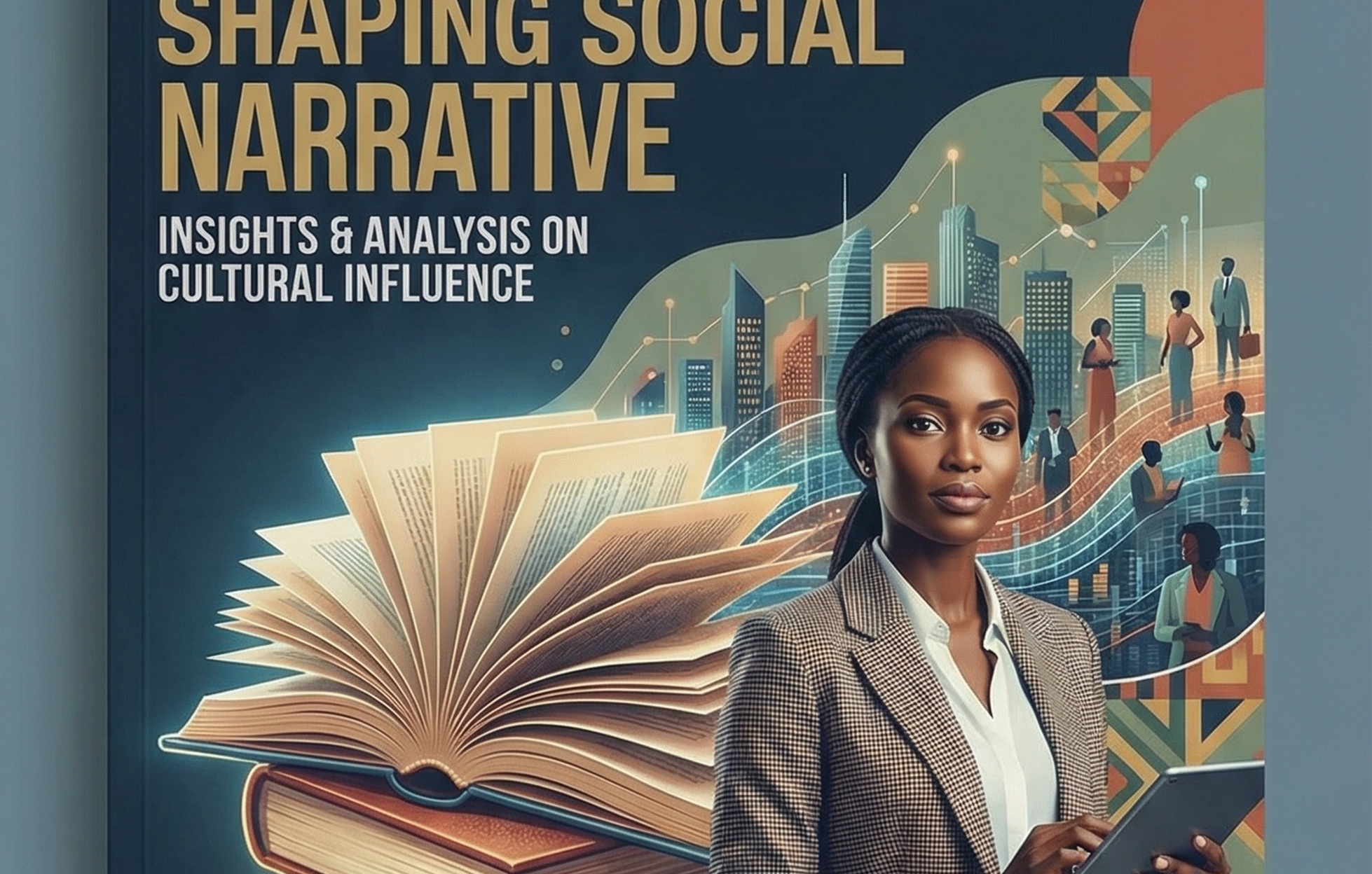
Literature has always been a powerful tool for reflecting and shaping societal values, beliefs, and struggles. In Zimbabwe, authors have used literature to highlight social issues, challenge injustices, and inspire change. From chronicling the effects of colonization to exploring contemporary socio-economic realities, Zimbabwean writers continue to influence the nation's collective consciousness. This article examines the role of literature in shaping social narratives and fostering a deeper understanding of Zimbabwean society.
Literature as a Mirror of Society
Literature serves as a mirror, reflecting the triumphs and tribulations of a society. In Zimbabwe, writers like Dambudzo Marechera and Yvonne Vera have used their works to explore themes of identity, oppression, and resilience. Their stories provide a lens through which readers can examine historical and contemporary issues, encouraging dialogue and introspection.
For example, Marechera’s The House of Hunger vividly portrays the psychological impact of poverty and political instability, offering insights into the lived experiences of marginalized communities. Similarly, Vera’s Without a Name delves into the struggles of women in a patriarchal society, shedding light on gender inequality and its consequences.
Literature as a Catalyst for Change
In addition to reflecting society, literature can drive change by challenging the status quo and advocating for progress. Zimbabwean authors have often used their platforms to address sensitive topics, such as corruption, human rights violations, and the erosion of cultural values. Through compelling narratives, they provoke thought, inspire activism, and promote social justice.
Books like Tsitsi Dangarembga’s Nervous Conditions challenge the imbalances between traditional and modern values, particularly as they pertain to gender roles. By presenting relatable characters and scenarios, such works resonate with readers, encouraging them to question entrenched norms and seek solutions to societal issues.
Preserving Culture and History
Literature also plays a crucial role in preserving Zimbabwe’s rich cultural heritage and history. Oral traditions, which have been a cornerstone of Zimbabwean storytelling, are often incorporated into written works, ensuring that these narratives are passed down to future generations. Writers like Chenjerai Hove have used their novels to document the struggles and triumphs of rural communities, capturing the essence of Zimbabwean life.
Moreover, literature serves as a record of historical events, providing future generations with a deeper understanding of the nation’s journey. Works that chronicle the liberation struggle, such as Bones by Hove, keep the memories of this pivotal period alive, fostering a sense of identity and pride.
Challenges in Promoting Literature
Despite its importance, literature in Zimbabwe faces challenges, including limited access to books, declining reading culture, and economic constraints. Many Zimbabweans, particularly in rural areas, lack access to libraries and bookstores, making literature less accessible. Additionally, the high cost of books and competing demands on household income often place literature out of reach for many readers.
Promoting literature requires collective efforts from authors, educators, publishers, and policymakers. Initiatives such as book fairs, reading clubs, and digital platforms can help bridge the gap, ensuring that more Zimbabweans can engage with their literary heritage.
Conclusion
Literature plays an indispensable role in shaping Zimbabwe’s social narratives, serving as both a reflection of society and a catalyst for change. By preserving culture, challenging norms, and addressing pressing issues, Zimbabwean writers continue to inspire dialogue and progress. Supporting literature through increased accessibility and awareness will ensure that its transformative power reaches every corner of society, fostering a deeper understanding of Zimbabwean identity and values.
Meta Description
Explore how Zimbabwean literature reflects societal values, preserves culture, and challenges norms. Discover its role in shaping social narratives and inspiring change.
Keywords
Literature Zimbabwe, social narratives, Zimbabwean authors, preserving culture, Tsitsi Dangarembga, Dambudzo Marechera.
Sources
"Zimbabwe Literature: A Mirror of Society"
https://www.zimbabweliterarysociety.org/
"The Power of African Storytelling in Literature"
https://www.africaliteraryhub.com/
"Oral Traditions and Written Literature in Zimbabwe"
https://www.zimculturalheritage.org/