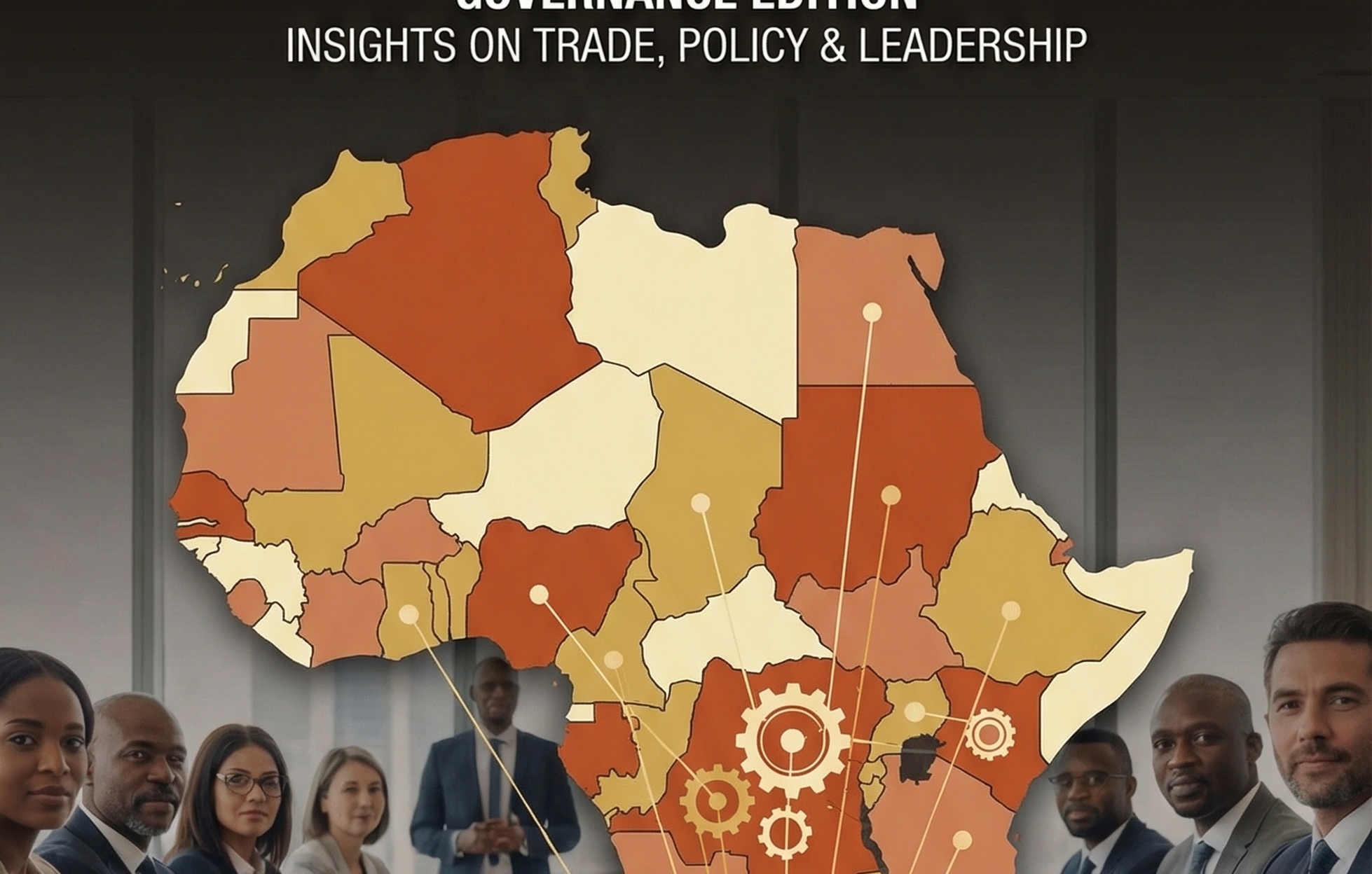
The migration of people from Zimbabwe, Mozambique, Tanzania, Ethiopia, Somalia, Nigeria, Namibia, Zambia, the Democratic Republic of Congo (DRC), and Malawi into South Africa has become a topic of significant debate. This influx, driven by the quest for better livelihoods, economic opportunities, and a higher quality of life, has sparked concerns about job competition and strain on local resources in South Africa. While the issue is complex, rooted in politics, racial marginalization, and geopolitical factors, a potential solution lies in upgrading the economies of these neighboring nations to mirror the success of South Africa—a concept we term "South-Africanisation."
The Challenge: A Region in Motion
South Africa is the most advanced economy in Africa, making it a beacon of hope for opportunity seekers from less developed nations. The influx of migrants, however, often leads to local tensions as communities grapple with perceived competition over jobs, resources, and services. These tensions are not simply local issues but are symptomatic of a broader regional imbalance. The disparity in economic opportunities, governance, and infrastructure between South Africa and its neighbors drives migration, creating challenges for South Africa and exposing vulnerabilities in the surrounding nations.
South-Africanisation: Defining the Concept
South-Africanisation is a development philosophy aimed at replicating South Africa’s economic, social, and governance frameworks across the continent. By addressing systemic challenges in neighboring nations, we can create an environment where individuals have access to opportunities at home, reducing the compulsion to migrate. This concept is not about cultural assimilation but rather about replicating the structural and economic successes that make South Africa attractive.
What Makes South Africa a Magnet?
To understand how to replicate South Africa's success, we must first analyze why it is such an attractive destination for migrants and job seekers.
Economic Opportunities
South Africa boasts a well-diversified economy with thriving sectors in mining, manufacturing, agriculture, and services. Its GDP per capita and wage levels are significantly higher than those of its neighbors. The availability of jobs across various sectors, coupled with a relatively stable financial system, makes South Africa a hub for economic activity.
Quality of Life
The country offers access to better healthcare, quality education, and modern urban amenities. Cities like Johannesburg, Cape Town, and Durban provide a cosmopolitan lifestyle that is hard to find in many neighboring countries. Families migrating to South Africa benefit from access to advanced infrastructure, including reliable electricity, water supply, and telecommunications.
Political and Legal Stability
South Africa's democratic governance model, coupled with its adherence to constitutional rights, provides a sense of security and predictability for residents. While challenges persist, its governance structures are more stable than those in many neighboring nations, attracting businesses and individuals seeking a secure environment.
Strategic Location and Infrastructure
Positioned at the southern tip of Africa, South Africa is a gateway for trade and travel. Its robust transportation networks, ports, and airports facilitate economic growth and regional connectivity, making it a logistical hub for multinational companies.
South-Africanising Neighboring Countries
To reduce the regional imbalance and stem the tide of migration, neighboring countries can adopt strategies that replicate South Africa's success. The following initiatives can transform these nations into competitive economies, providing opportunities for their citizens at home.
Economic Diversification and Industrialization
Many African nations remain dependent on a single industry or resource for their economic output. Diversifying into sectors such as manufacturing, technology, and services can create jobs and stimulate economic resilience. Industrialization should focus on value addition, such as turning raw agricultural products into finished goods, boosting local and export markets.
Infrastructure Development
Robust infrastructure is the backbone of economic growth. Nations must invest in transportation networks, energy supply, and telecommunications to support businesses and attract investment. For instance, reliable electricity can spur industrial growth, while improved roads and railways facilitate trade.
Governance and Political Stability
Transparent and accountable governance fosters confidence among investors and citizens alike. Establishing robust institutions that uphold the rule of law, fight corruption, and promote democracy is essential. Political stability is a prerequisite for long-term economic growth and social cohesion.
Social Investment
Investing in education and healthcare is non-negotiable. A skilled and healthy population forms the bedrock of economic development. Governments should focus on building schools, training educators, and creating accessible healthcare systems that cater to all demographics.
Regional Integration and Trade
Neighboring nations should strengthen their participation in regional trade agreements like the Southern African Development Community (SADC) to facilitate economic cooperation. Aligning policies and standards with regional norms can enhance trade, attract investment, and drive collective growth.
Entrepreneurship and Private Sector Development
Governments must create environments conducive to entrepreneurship by reducing bureaucratic red tape, providing access to funding, and offering mentorship programs. Empowering small and medium enterprises (SMEs) can unlock innovation and create employment.
Addressing Geopolitical Factors
Many countries in the region grapple with internal conflicts and geopolitical instability, which hinder development. Resolving conflicts through diplomacy and fostering peace is crucial. International cooperation and partnerships can provide the resources and expertise needed to address these challenges.
A Collaborative Vision for Africa
South-Africanisation is not a one-size-fits-all solution but a framework for tailored development strategies that address the unique needs of each nation. Achieving this vision requires collaboration between governments, the private sector, and civil society. By investing in regional development, Africa can create a future where opportunities are abundant across the continent, reducing the need for migration and fostering a more balanced regional ecosystem.
Meta Description
Learn how the concept of South-Africanisation can address regional imbalances in Africa by replicating South Africa's economic, social, and governance successes in neighboring countries, offering solutions to migration challenges.
Keywords
South-Africanisation, African development, regional migration, economic diversification, governance stability, infrastructure development, Africa trade integration, entrepreneurship in Africa, African geopolitics, quality of life in Africa.
Sources:
"South Africa's Economy Overview" – http://www.treasury.gov.za/
"African Migration and Development" – https://au.int/
"Economic Diversification in Africa" – https://www.worldbank.org/
"South Africa's Infrastructure Network" – https://www.dpwi.gov.za/
"Political Stability in Africa" – https://www.undp.org/
"Regional Trade and Integration in Africa" – https://www.sadc.int/
"Private Sector Development in Africa" – https://www.afdb.org/