Consumers – E-Commerce & Marketplaces · Editorial
By Moakanyi Magazine · China-in-Africa · June 2026
Expos are built to produce numbers, and the fourth China-Africa Economic and Trade Expo produced large ones. It also produced two different large numbers, and the distance between them is where a careful reader should stand. The signed figure was solid. The announced figure was aspirational. The press release blended them into a single impression of abundance, which is exactly what an expo is designed to do. For African trade officials and the journalists who cover them, learning to read past that blend is the difference between sober planning and reporting a windfall that never quite arrives in the ledgers the following year.
The headline: a record book of deals in Changsha
The expo, held in Changsha in Hunan province and concluding on 15 June 2025, drew representatives from 53 African countries, 11 international organisations and over 30,000 participants. Organisers reported 176 projects worth US$11.39 billion signed, up 45.8 percent in project count on the 2023 session. As a deal-making platform, the event is a functioning marketplace rather than a ceremony, with stands, buyers and contracts.
The sectoral spread matters as much as the headline. Cooperation clustered around industrial-chain collaboration, green minerals, infrastructure, traditional medicine and youth entrepreneurship – a mix that reaches beyond raw commodities toward processing and services. Nearly 2,100 companies exhibited, including 764 from 43 African countries, giving the African side genuine presence on the show floor rather than a token delegation. By the close, the main venue had drawn more than 200,000 visitors, a footfall that turns a diplomatic event into something closer to a working trade fair.
The signed total is a real measure of appetite, concentrated into four days and one venue.
The catch: announced is not the same as binding
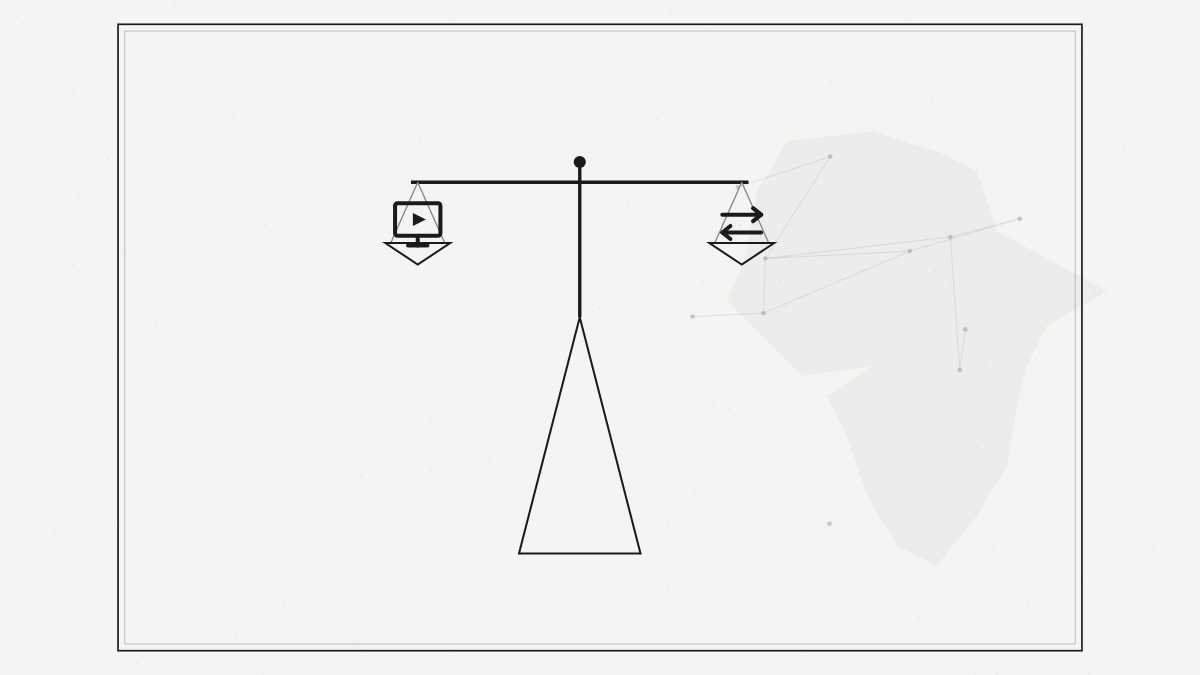
Beyond the signed deals, organisers listed 293 cooperation projects announced, totalling US$43.16 billion – a figure roughly four times the signed amount, and reported as a 410 percent rise in value on the previous edition. Announced projects are intentions, memoranda and pipelines, not executed contracts. Headline coverage frequently merges the announced and the signed, inflating the apparent haul in a way the underlying figures do not support. The gap is not a rounding difference but the bulk of the story: of the roughly US$54 billion in total project value paraded at Changsha, only about one part in five – the US$11.39 billion signed – rests on an actual contract, and even a signed contract is a commitment to act, not money already moved.
Read the verb: signed and announced are different commitments wearing the same currency symbol.
The pattern: an expo as a recurring institution
The Changsha expo is not a one-off but a fixture, hosted in Hunan and now in its fourth edition, with a permanent China-Africa economic and trade cooperation pilot zone attached to it. That permanence is the more meaningful signal. A single deal-making summit can inflate its numbers; a standing institution accumulates relationships, repeat exhibitors and a directory of counterparties that lowers search costs every cycle.
For African exporters, the value compounds across editions rather than within one. Firms that exhibited in 2023 and returned in 2025 arrive with contacts, market knowledge and a track record – assets that no closing-day figure captures. The institution, not the announcement, is what slowly rewires trade behaviour. The growth between editions reflects this: a 45.8 percent rise in signed-project count and a four-figure jump in announced value suggest a marketplace gaining critical mass, drawing 764 African firms from 43 countries into a single room where Chinese buyers are concentrated. The honest caveat is that a thickening pipeline of announced projects is also easier to inflate, so the institution's maturity and its figures' reliability advance on separate tracks.
A recurring marketplace builds more durable trade than any single headline it generates.
The so-what: platforms matter, but follow the conversion
Expos lower the cost of finding a counterparty, and that is a real service for African firms scouting Chinese buyers and partners. The test of the platform is not the closing-day figure but the conversion: how many announced projects become signed, and how many signed projects actually move money in the year that follows. That conversion rate is rarely published, yet it is the honest scoreboard – and the one African trade ministries should be tracking deal by deal.
There is a quieter benefit that survives whatever the conversion rate turns out to be. Each edition leaves behind a denser map of who makes what, who needs what and who can be trusted to deliver – a kind of market intelligence that no headline figure records. For a continent whose firms often struggle simply to be discovered by Chinese buyers, that visibility may matter more over time than the value of any single contract announced from the stage. The expo's lasting product is information, and information compounds quietly, long after the closing figures have been filed away.
The value of a deal-making platform is proven a year later, not on the closing-day banner.
Sources: China MFA, People's Daily