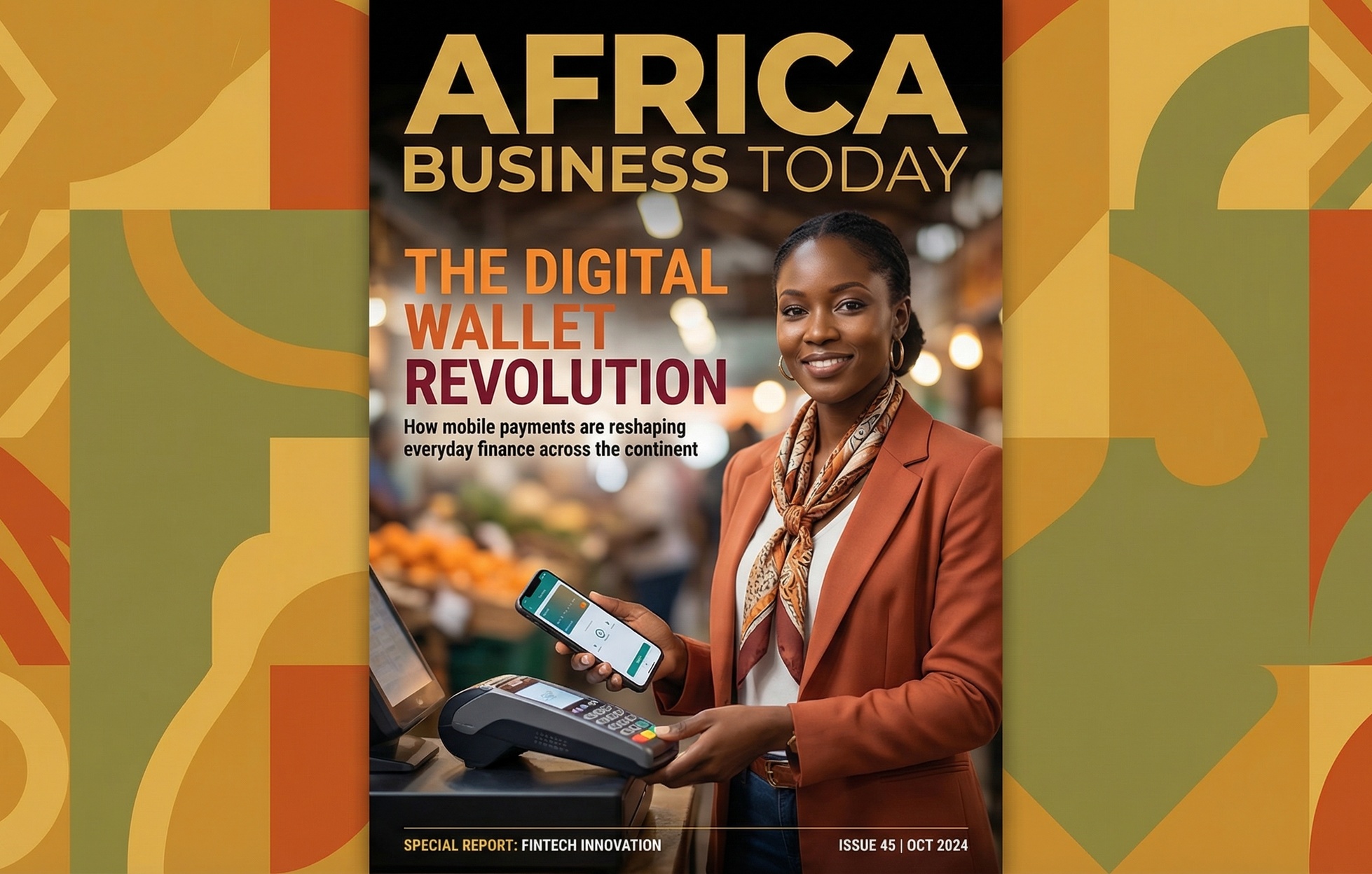
In Zimbabwe, the adoption of digital wallets has redefined the way people interact with money. Platforms like EcoCash and OneMoney have transcended traditional banking systems, enabling consumers to make purchases, pay bills, and transfer funds with unparalleled ease. This shift has had a profound impact on both urban and rural communities, fundamentally changing consumer behavior while addressing some of the country’s long-standing economic challenges. This article examines how digital wallets have influenced everyday purchases and explores their broader implications for Zimbabwe’s economic landscape.
The Rise of Digital Wallets in Zimbabwe
The proliferation of digital wallets in Zimbabwe can be traced to the country’s persistent cash shortages and economic volatility. With physical cash often in short supply, mobile money platforms have stepped in to fill a critical gap. The widespread adoption of mobile phones, which exceeds 90% penetration, has provided an accessible channel for digital financial services. Even in remote rural areas, mobile wallets have become essential tools for managing daily transactions, fostering a level of inclusivity previously unattainable through traditional banking systems. As a result, mobile money has not only mitigated the immediate challenges of cash scarcity but also opened up new avenues for economic participation across the population.
Changing Consumer Behavior
The integration of digital wallets into everyday life has significantly reshaped consumer habits. Consumers now rely heavily on mobile money for their daily needs, from purchasing household essentials to settling utility bills. This shift toward cashless transactions has encouraged a culture of convenience and efficiency, particularly in the informal sector, where mobile wallets dominate as the preferred mode of payment. Additionally, rural areas have seen a surge in mobile money usage, with farmers and small-scale traders utilizing these platforms to buy supplies and sell their produce. The speed and reliability of digital payments have also led to an increase in impulse purchases, as consumers no longer face the limitations of carrying physical cash.
Economic and Social Benefits
Digital wallets have delivered numerous advantages to both consumers and businesses. For consumers, these platforms offer unparalleled convenience, enabling them to complete transactions without the need for physical cash. This not only enhances personal security but also fosters better financial management through detailed transaction records. Financial inclusion has been another critical outcome, with previously unbanked individuals now able to access financial services through mobile wallets. For businesses, particularly those in the informal sector, digital payments streamline operations, reduce the risk of handling cash, and improve record-keeping, ultimately boosting efficiency and profitability.
Challenges and Limitations
Despite their widespread adoption, digital wallets are not without their challenges. High transaction fees remain a significant concern for many users, often discouraging the use of mobile money for smaller transactions. Connectivity issues, particularly in rural areas with poor network coverage, can disrupt transactions and create frustration for users. Cybersecurity threats, including fraud and phishing scams, have also become a growing concern, highlighting the need for stronger regulatory measures and user education to protect against digital vulnerabilities.
Looking Ahead: The Future of Digital Wallets
As Zimbabwe continues to embrace digital innovation, the role of mobile wallets is expected to expand further. Innovations in fintech are likely to address existing challenges, such as high transaction costs and network reliability. Additionally, increased investment in cybersecurity measures will enhance trust in digital payment systems. Policymakers and stakeholders must work collaboratively to ensure that the benefits of digital wallets are accessible to all, fostering greater financial inclusion and economic stability across the nation.
Conclusion
Digital wallets have become a cornerstone of Zimbabwe’s financial system, revolutionizing the way consumers and businesses conduct transactions. By offering convenience, inclusivity, and security, these platforms have transformed everyday purchases and contributed to broader economic development. While challenges remain, the continued evolution of digital wallets holds great promise for a cashless future that is both equitable and efficient.
Meta Description
Explore how digital wallets like EcoCash are transforming consumer behavior in Zimbabwe, offering cashless convenience, financial inclusion, and enhanced security in everyday transactions.
Keywords
Digital wallets Zimbabwe, EcoCash, mobile money, cashless transactions, financial inclusion Zimbabwe, digital payments, consumer behavior Zimbabwe.
Sources
"FinScope Consumer Survey Zimbabwe 2022 Report"
https://finmark.org.za/Publications/FinScope_Consumer_Zimbabwe_2022_Report.pdf
"Zimbabwe's Mobile Money Boom and Its Economic Impact"
https://www.theindependent.co.zw/economic-impact-mobile-money-zimbabwe
 WhatsApp for a Google-Ready Website