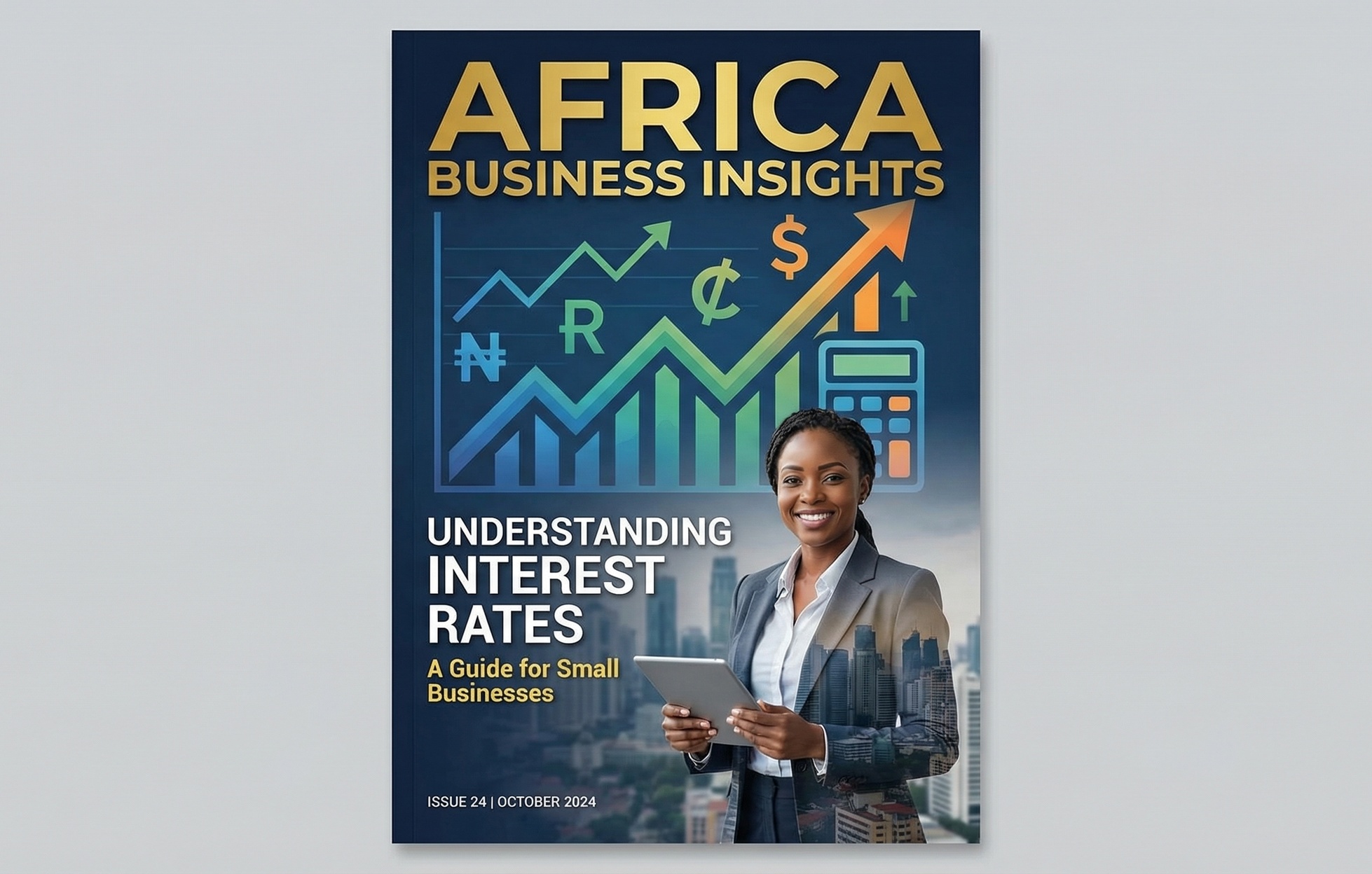
Interest rates play a crucial role in the financial health of small businesses, influencing borrowing costs, cash flow, and investment decisions. For small business owners in Zimbabwe, understanding how interest rates work is vital for managing debt, securing financing, and planning for growth. This article provides a comprehensive guide to interest rates, exploring their impact on small businesses and offering practical strategies for navigating Zimbabwe’s financial landscape.
What Are Interest Rates?
Interest rates represent the cost of borrowing money or the return on savings and investments. For businesses, these rates are expressed as a percentage of the loan amount and are typically charged on a monthly or annual basis. Lenders use interest rates to compensate for the risk of lending and the time value of money. The higher the perceived risk, the higher the interest rate.
In Zimbabwe, interest rates are influenced by several factors, including inflation, monetary policy, and economic conditions. The Reserve Bank of Zimbabwe (RBZ) plays a central role in setting benchmark rates, which guide commercial banks and financial institutions in determining lending rates for businesses and individuals.
How Interest Rates Affect Small Businesses
Interest rates have a direct impact on small businesses, particularly those relying on loans or credit lines for operations and expansion. When interest rates are high, borrowing becomes more expensive, increasing the cost of servicing debt. This can strain cash flow and limit the ability of businesses to invest in growth opportunities.
Conversely, lower interest rates make borrowing more affordable, encouraging businesses to take loans for capital investment, inventory purchases, or hiring additional staff. However, low rates can also signal economic challenges, such as reduced consumer spending, which may affect business revenues.
For small businesses with savings or investments, interest rates determine the returns on deposits and fixed-income instruments. Higher rates yield better returns, providing an incentive for businesses to save. Understanding these dynamics is essential for making informed financial decisions.
Types of Interest Rates in Zimbabwe
Small business owners encounter various types of interest rates, depending on their financing needs:
Fixed Interest Rates: These rates remain constant throughout the loan term, offering predictability in repayment amounts. Fixed rates are ideal for businesses that prefer stability and long-term planning.
Variable Interest Rates: Variable rates fluctuate based on market conditions or benchmark rates set by the RBZ. While they may start lower than fixed rates, they carry the risk of increasing over time, which can affect budgeting.
Effective Interest Rates: This rate accounts for the impact of compounding, providing a more accurate representation of borrowing costs. It is crucial to understand effective rates when comparing loan options.
Strategies for Managing Interest Rates
Navigating interest rates effectively requires careful planning and financial discipline. Small business owners can adopt the following strategies:
First, it is essential to shop around for the best loan terms. Different financial institutions offer varying interest rates and conditions, making it important to compare options before committing. Businesses should negotiate with lenders to secure favorable rates and repayment terms that align with their cash flow.
Second, maintaining a strong credit profile is critical. Lenders assess creditworthiness when determining interest rates, with lower rates offered to businesses with a history of timely repayments and stable financial performance. Regularly reviewing credit reports and addressing any inaccuracies can improve a business’s borrowing potential.
Third, businesses should explore alternative financing options, such as microfinance institutions or peer-to-peer lending platforms. These sources often cater to small businesses with flexible rates and requirements.
Finally, planning for interest rate fluctuations is key. Building financial resilience through savings and diversified revenue streams can help businesses weather changes in borrowing costs. Fixed-rate loans may be preferable during periods of anticipated rate hikes, while variable-rate loans could be advantageous when rates are expected to decline.
Conclusion
Interest rates are a pivotal factor in the financial decisions of small business owners in Zimbabwe. By understanding how rates work and adopting proactive strategies, businesses can minimize borrowing costs, optimize savings, and navigate the challenges of fluctuating economic conditions. Armed with this knowledge, small businesses can better position themselves for sustainable growth and financial stability in a dynamic economic environment.
Meta Description
Understand how interest rates impact small businesses in Zimbabwe. Learn strategies to manage borrowing costs, optimize savings, and navigate financial challenges effectively.
Keywords
Interest rates Zimbabwe, small business financing, fixed vs variable rates, Reserve Bank of Zimbabwe rates, financial planning Zimbabwe.
Sources
"Interest Rates and Small Business Growth in Zimbabwe"
https://www.zimbusinessfinance.org/
"Reserve Bank of Zimbabwe: Monetary Policy Insights"
https://www.rbz.co.zw/
"Understanding Fixed and Variable Interest Rates"
https://www.africafinancialliteracyhub.com/
 WhatsApp for a Google-Ready Website