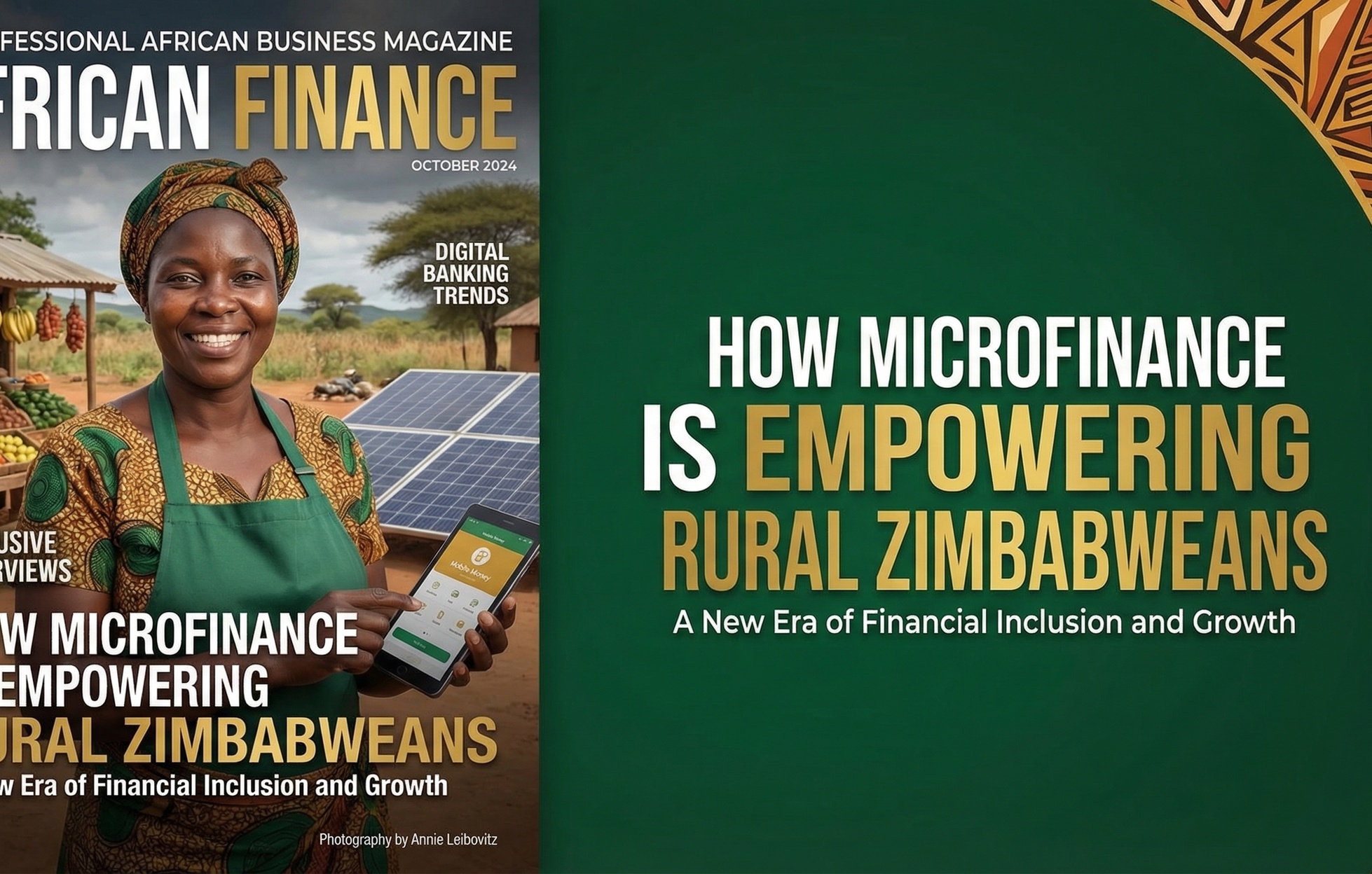
In rural Zimbabwe, access to traditional banking services remains limited, leaving many individuals and small businesses financially excluded. Microfinance has emerged as a powerful tool to bridge this gap, providing much-needed capital to underserved populations. By offering small loans, savings accounts, and financial literacy programs, microfinance institutions (MFIs) empower rural Zimbabweans to build livelihoods, expand businesses, and improve their quality of life. This article explores the role of microfinance in driving economic growth and social development in rural Zimbabwe.
The Role of Microfinance in Rural Economies
Microfinance focuses on providing financial services to individuals and small enterprises that lack access to traditional banking. In rural Zimbabwe, where agriculture is the primary source of income, microfinance institutions offer farmers loans to purchase seeds, fertilizers, and equipment. These loans enable farmers to boost productivity and incomes.
Beyond agriculture, microfinance supports rural entrepreneurs in sectors like retail, artisanal crafts, and services. Access to credit allows small business owners to stock inventory, upgrade tools, or hire additional labor, creating ripple effects in the local economy.
Key Features of Microfinance in Zimbabwe
1. Small Loans for Big Impact
Microfinance loans, often referred to as microloans, are designed to meet the specific needs of low-income individuals. These loans typically have lower borrowing requirements, making them accessible to people who lack collateral or credit history.
2. Group Lending Models
Many microfinance institutions in Zimbabwe use group lending models, where borrowers form small groups to access loans collectively. Group members act as guarantors for one another, reducing default risks and fostering a sense of accountability.
3. Savings and Insurance
In addition to credit, microfinance institutions promote savings by encouraging rural clients to open accounts. Savings accounts provide a financial cushion during emergencies, while microinsurance products protect borrowers against unforeseen events like crop failure or illness.
4. Financial Literacy Programs
Financial education is integral to microfinance services. Institutions teach clients how to manage loans, budget effectively, and plan for the future. These skills help borrowers make informed financial decisions and maximize the benefits of microfinance.
Success Stories in Rural Zimbabwe
Microfinance has transformed lives across rural Zimbabwe, empowering individuals and communities to achieve self-sufficiency. For instance, a group of women in Masvingo used microloans to start a poultry farming business. Within months, they scaled operations, generated stable incomes, and reinvested profits into their households and children’s education.
Similarly, smallholder farmers in Mashonaland East leveraged microfinance to adopt climate-smart agricultural practices. With access to affordable credit, they purchased irrigation systems and drought-resistant seeds, improving yields despite unpredictable weather conditions.
Challenges in Microfinance Implementation
While microfinance offers numerous benefits, it is not without challenges. High interest rates can burden borrowers, particularly when they face economic hardships. Limited outreach in remote areas and inadequate infrastructure also hinder the effectiveness of microfinance services.
Microfinance institutions must balance financial sustainability with affordability to ensure that services remain accessible to the poorest populations. Leveraging technology, such as mobile banking, can help overcome geographic barriers and reach more rural clients.
The Path Forward
To maximize the impact of microfinance in rural Zimbabwe, stakeholders must focus on innovation and collaboration:
Leveraging Technology: Mobile banking platforms and digital wallets can extend microfinance services to remote areas, reducing operational costs and improving convenience for clients.
Strengthening Partnerships: Collaborations between microfinance institutions, NGOs, and government agencies can provide holistic support, including training, infrastructure, and market access.
Expanding Product Offerings: Introducing specialized financial products, such as crop insurance or education loans, addresses the unique needs of rural clients.
Conclusion
Microfinance is empowering rural Zimbabweans by providing financial resources, knowledge, and opportunities to improve their livelihoods. Through small loans, savings accounts, and financial literacy programs, microfinance institutions are fostering economic growth and resilience in underserved communities. With continued innovation and support, microfinance can unlock the potential of rural Zimbabwe, paving the way for inclusive and sustainable development.
Meta Description
Discover how microfinance empowers rural Zimbabweans by providing small loans, savings accounts, and financial literacy programs, fostering economic growth and resilience.
Keywords
Microfinance Zimbabwe, rural development, small loans, financial inclusion Zimbabwe, group lending, financial literacy Zimbabwe.
Sources
"The Impact of Microfinance on Rural Economies"
https://www.zimmicrofinancehub.org/
"Microfinance Success Stories in Zimbabwe"
https://www.africamicrofinance.org/
"Expanding Financial Inclusion Through Technology"
https://www.digitaleconomyzim.org/
 WhatsApp for a Google-Ready Website