Economics – Global & Regional · Editorial
By Moakanyi Magazine · China-in-Africa · June 2026
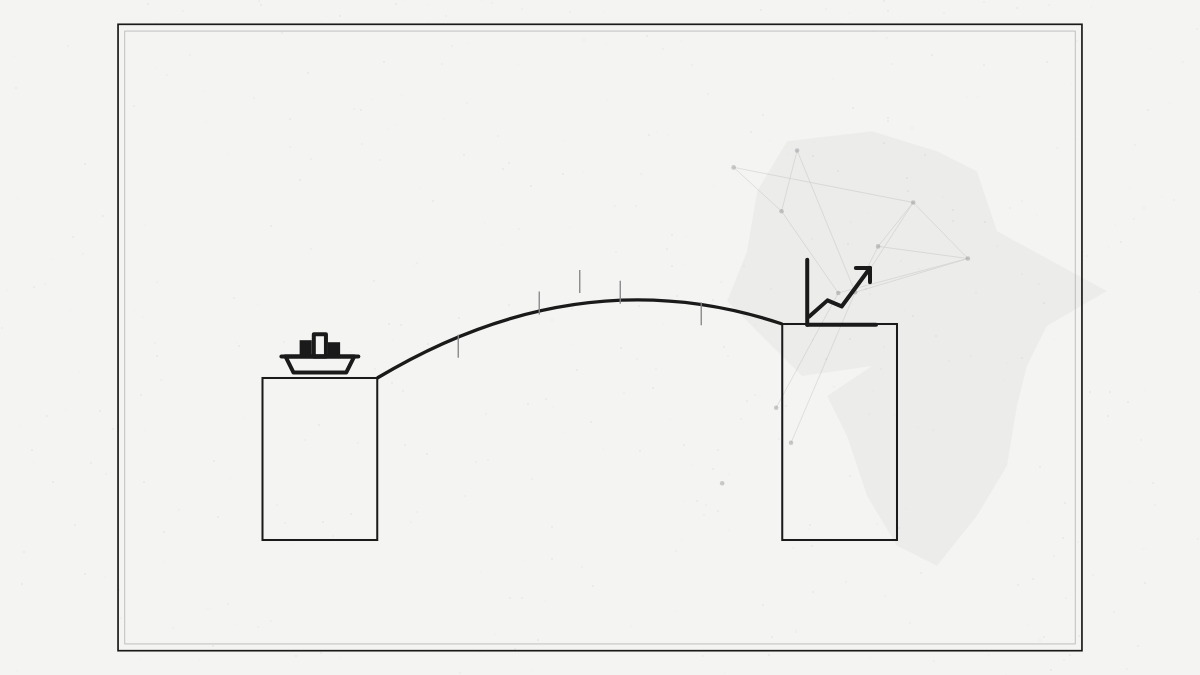
It is easy to photograph a finished bridge and hard to photograph a corridor – the border post that clears a truck in two hours instead of two days, the harmonised axle-load rule, the single insurance bond that runs the length of a route. Yet it is the corridor, not the showpiece, that decides whether goods move. UNECA's work on regional integration makes the point bluntly: more than 80 per cent of Africa's trade still moves through corridors that are costly, insecure and poorly maintained, undercutting smaller firms most of all.
The arithmetic of a working corridor
The barrier, UNECA argues, is logistical and institutional more than tariff-based. Under the AfCFTA, intra-African freight demand is projected to rise sharply by 2030 – road freight doubling from 201 to 403 million tonnes, maritime freight from 58 to 131.5 million tonnes on UNECA estimates – and meeting it would require upgrading on the order of 60,000 km of critical road links. A new bridge without the customs reform on either side of it simply relocates the queue rather than clearing it.
A project is finished at the ribbon; a corridor is finished only when the queue clears.
This reframes the China-in-Africa story. The hardware – ports, railways, highways – is the necessary half, and Chinese finance has supplied much of it. The corridor is the half that turns hardware into trade, and it is built mostly with rules: shared standards, customs unions, predictable border crossings. Those cost little in concrete and a great deal in political coordination, which is why they lag the flagships. The lesson for the continent is that the next gains come less from another flagship than from making the flagships already standing actually connect – work that no single external lender can do for African states.
Sources: UNECA – AfCFTA transport, UNECA – ARIA XI