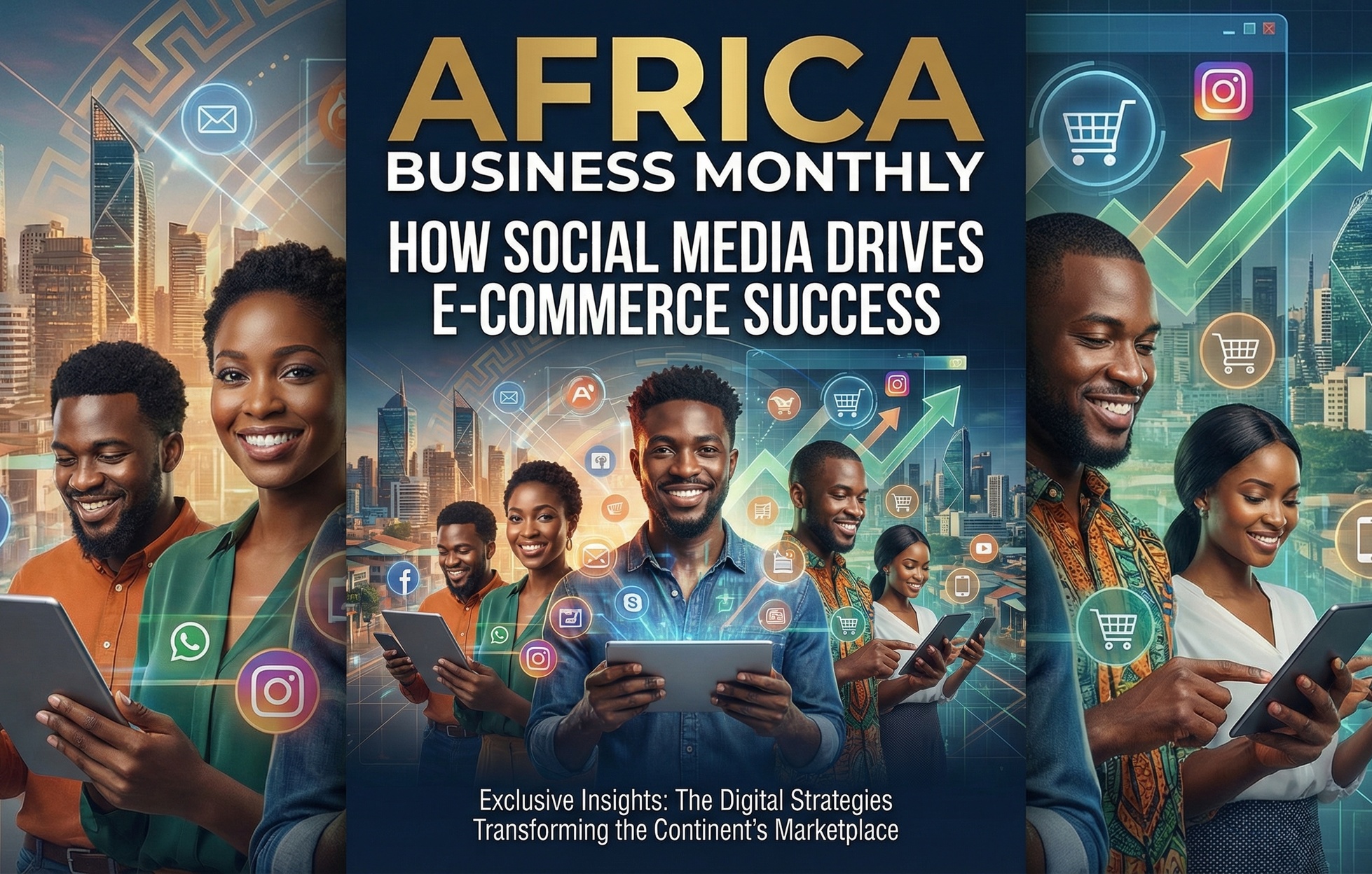
Social media platforms have revolutionized how businesses connect with their customers, making them indispensable tools for e-commerce success. In Zimbabwe, platforms like Facebook, Instagram, and WhatsApp have become integral to digital marketing strategies, allowing businesses to showcase their products, engage with audiences, and drive sales. This article explores how social media propels e-commerce growth, provides actionable strategies for entrepreneurs, and highlights the potential for scaling online businesses using social platforms.
The Role of Social Media in E-Commerce
Social media bridges the gap between businesses and consumers, offering a space to promote products, share reviews, and interact with potential buyers. For e-commerce businesses in Zimbabwe, where trust in digital transactions is still building, social platforms provide an accessible and transparent way to establish credibility.
The visual and interactive nature of platforms like Instagram and Facebook makes them ideal for showcasing products and services. Businesses can share images, videos, and stories to demonstrate product quality, usage, and benefits. Additionally, WhatsApp groups and statuses have become popular channels for informal commerce, enabling direct communication and personalized marketing.
Key Benefits of Social Media for E-Commerce
1. Increased Visibility
Social media platforms expand the reach of e-commerce businesses, allowing them to connect with local, regional, and even international audiences. Algorithms and paid ads ensure that businesses can target specific demographics, maximizing the impact of their campaigns.
2. Enhanced Customer Engagement
Social media fosters real-time interactions between businesses and customers, building trust and loyalty. Features such as comment sections, direct messaging, and polls encourage two-way communication, helping businesses address customer concerns and gather valuable feedback.
3. Cost-Effective Marketing
Compared to traditional advertising, social media marketing is cost-effective and scalable. Businesses can run targeted campaigns on a limited budget, reaching potential customers through sponsored posts, influencer collaborations, and organic content.
4. Data-Driven Insights
Platforms like Facebook and Instagram offer analytics tools that track audience behavior, engagement rates, and conversion metrics. These insights enable businesses to refine their strategies and make informed decisions about product offerings and promotions.
Strategies for Leveraging Social Media in E-Commerce
1. Create Engaging Content
High-quality visuals and engaging captions are essential for attracting attention on social media. Use storytelling techniques to connect emotionally with your audience, highlighting how your products solve their problems or enhance their lives.
2. Use Social Commerce Features
Platforms like Facebook and Instagram have integrated shopping features that allow users to browse and purchase products directly within the app. Setting up a shop on these platforms streamlines the buying process, reducing friction and increasing conversions.
3. Collaborate with Influencers
Partnering with influencers who align with your brand can amplify your reach and credibility. Influencers have established trust with their followers, making their endorsements highly effective for driving sales.
4. Host Live Sessions and Giveaways
Live videos on Facebook or Instagram are excellent for showcasing new products, answering customer questions, and building excitement around your brand. Running giveaways and contests also boosts engagement and encourages user-generated content.
5. Optimize for Mobile Users
Since most social media users access platforms via smartphones, ensure your content is mobile-friendly. Use vertical videos, responsive images, and concise captions to enhance the user experience.
6. Run Targeted Ad Campaigns
Social media advertising allows businesses to target specific demographics, interests, and behaviors. Experiment with different ad formats, such as carousel ads, video ads, and story ads, to find what resonates best with your audience.
Challenges and Solutions
While social media offers significant benefits, it also presents challenges such as algorithm changes, content saturation, and managing negative feedback. To address these issues:
Stay updated on platform algorithms and trends to adapt your strategies effectively.
Focus on quality over quantity to stand out in a crowded digital space.
Handle negative comments professionally, turning complaints into opportunities to improve and build trust.
Case Studies of Social Media Success
Zimbabwean businesses have successfully leveraged social media to grow their e-commerce operations. For instance, local fashion brands use Instagram to showcase their collections, while food delivery services engage customers through WhatsApp groups. These businesses have demonstrated how creative content and customer-centric approaches can drive significant growth.
Conclusion
Social media is a powerful tool for driving e-commerce success in Zimbabwe, offering opportunities to build brand awareness, engage customers, and increase sales. By creating compelling content, utilizing platform features, and staying responsive to audience needs, e-commerce entrepreneurs can maximize the potential of social platforms. With the right strategies and consistent efforts, social media can transform how businesses connect with customers and thrive in the digital economy.
Meta Description
Discover how social media drives e-commerce success in Zimbabwe with strategies like engaging content, influencer collaborations, and social commerce tools.
Keywords
Social media e-commerce Zimbabwe, Instagram shops Zimbabwe, Facebook marketing Zimbabwe, social commerce strategies, influencer marketing Zimbabwe.
Sources
"Social Media Marketing for African E-Commerce"
https://www.africasocialhub.org/
"Leveraging Social Platforms for Business Growth"
https://www.socialmediastrategyafrica.com/
"E-Commerce and Social Media Integration"
https://www.globalecommercesolutions.org/