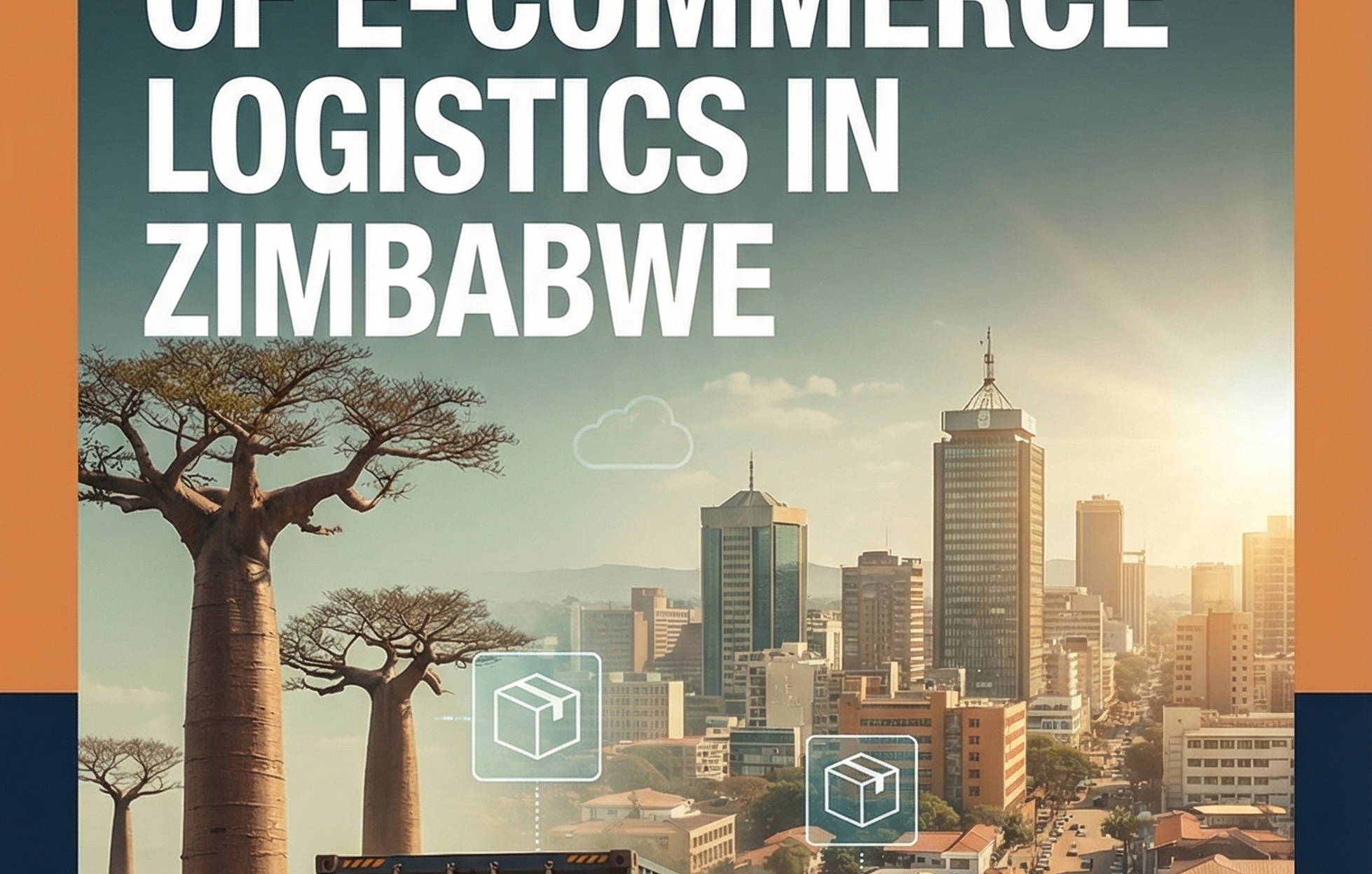
E-commerce is transforming the retail landscape in Zimbabwe, but its growth hinges on the efficiency of logistics and delivery systems. The logistics infrastructure plays a crucial role in ensuring that goods ordered online reach customers promptly and in good condition. However, logistical challenges, including inadequate infrastructure, high delivery costs, and operational inefficiencies, continue to hinder the expansion of e-commerce in the country. This article explores these challenges and suggests practical solutions to overcome them, paving the way for a more robust e-commerce ecosystem in Zimbabwe.
Key Logistics Challenges in Zimbabwe
1. Poor Transport Infrastructure
Zimbabwe’s transport infrastructure, including roads and railways, requires significant upgrades to support the demands of e-commerce. Many rural areas lack paved roads, making it difficult for delivery vehicles to reach customers. The high cost of maintaining fleets due to poor road conditions further adds to operational expenses for logistics providers.
2. Limited Rural Accessibility
A significant portion of Zimbabwe’s population resides in rural areas, where e-commerce penetration is still developing. Deliveries to remote locations are often delayed or altogether unfeasible due to limited infrastructure and high costs. This reduces the reach of online businesses and leaves a large market untapped.
3. High Delivery Costs
The cost of delivering goods in Zimbabwe remains high due to fuel expenses, inefficient distribution networks, and a lack of economies of scale. Small and medium-sized e-commerce businesses often struggle to compete with larger companies that can absorb or subsidize delivery costs.
4. Inadequate Warehousing and Fulfillment Centers
Efficient e-commerce logistics require strategically located warehouses and fulfillment centers to store and dispatch goods quickly. In Zimbabwe, a lack of modern warehousing facilities increases delivery times and reduces customer satisfaction.
5. Lack of Technological Integration
Many logistics providers in Zimbabwe operate without advanced tracking systems or digital platforms, making it difficult to manage shipments and provide real-time updates to customers. This lack of transparency and operational inefficiency leads to lower trust in e-commerce services.
6. Trust and Security Issues
Consumers often hesitate to engage in online transactions due to concerns over delivery reliability. Instances of lost or damaged goods exacerbate these trust issues, discouraging repeat purchases and slowing the growth of e-commerce.
Practical Solutions for E-Commerce Logistics Challenges
1. Invest in Infrastructure Development
Improving transport networks, including roads, railways, and airports, is critical to enhancing logistics efficiency. Public-private partnerships (PPPs) can mobilize resources for these projects, ensuring that both urban and rural areas are accessible for deliveries.
2. Adopt Last-Mile Delivery Innovations
To address rural accessibility challenges, businesses can explore innovative last-mile delivery solutions. For instance, collaborating with local transport providers, using motorbikes for narrow or rugged paths, or establishing community collection points can make rural deliveries more feasible.
3. Optimize Delivery Routes and Systems
Logistics companies can leverage route optimization software to reduce delivery times and fuel consumption. Advanced algorithms help identify the most efficient routes, minimizing operational costs and improving service reliability.
4. Develop Localized Warehousing Solutions
Building small, regional fulfillment centers in key locations across Zimbabwe ensures that goods are closer to customers, reducing delivery times and costs. Collaborating with existing warehouse owners can also provide interim solutions while new facilities are developed.
5. Leverage Technology for Logistics Management
Introducing digital platforms for inventory management, shipment tracking, and customer notifications enhances operational efficiency and transparency. Mobile apps and SMS-based updates can keep customers informed, building trust and loyalty.
6. Encourage Collaboration Among Stakeholders
E-commerce businesses, logistics providers, and policymakers must work together to address systemic challenges. Shared logistics networks, group purchasing of fuel or vehicles, and collaborative delivery services can help reduce costs for small and medium-sized enterprises (SMEs).
7. Build Consumer Trust Through Reliable Service
Consistency in delivery times and the safe handling of goods are crucial to building trust in e-commerce logistics. Offering insurance for lost or damaged items and maintaining clear communication with customers can improve perceptions of reliability.
The Role of Policy and Regulation
The government plays a pivotal role in supporting logistics development through policies that encourage investment and innovation. Tax incentives for logistics companies, streamlined customs processes for cross-border e-commerce, and funding for infrastructure projects can accelerate the sector’s growth.
Regional trade agreements, such as the African Continental Free Trade Area (AfCFTA), provide opportunities for improving cross-border logistics. Harmonizing trade and transport regulations with neighboring countries will facilitate seamless movement of goods within the region.
Conclusion
E-commerce logistics in Zimbabwe faces significant challenges, but with strategic investments, innovative solutions, and stakeholder collaboration, these barriers can be overcome. Improving infrastructure, leveraging technology, and fostering trust among consumers are essential for building a robust logistics ecosystem. By addressing these issues, Zimbabwe can unlock the full potential of its e-commerce sector, driving economic growth and connecting businesses with customers across the nation and beyond.
Meta Description
Explore the challenges of e-commerce logistics in Zimbabwe, including high delivery costs and poor infrastructure, and discover solutions for a thriving digital economy.
Keywords
E-commerce logistics Zimbabwe, delivery challenges Zimbabwe, last-mile delivery solutions, warehousing logistics Zimbabwe, e-commerce infrastructure Zimbabwe.
Sources
"The Role of Logistics in E-Commerce Growth"
https://www.ecommercelogisticsafrica.org/
"Infrastructure Development for E-Commerce in Zimbabwe"
https://www.zimlogisticsnetwork.com/
"Innovative Last-Mile Delivery Solutions in Africa"
https://www.africalastmile.org/