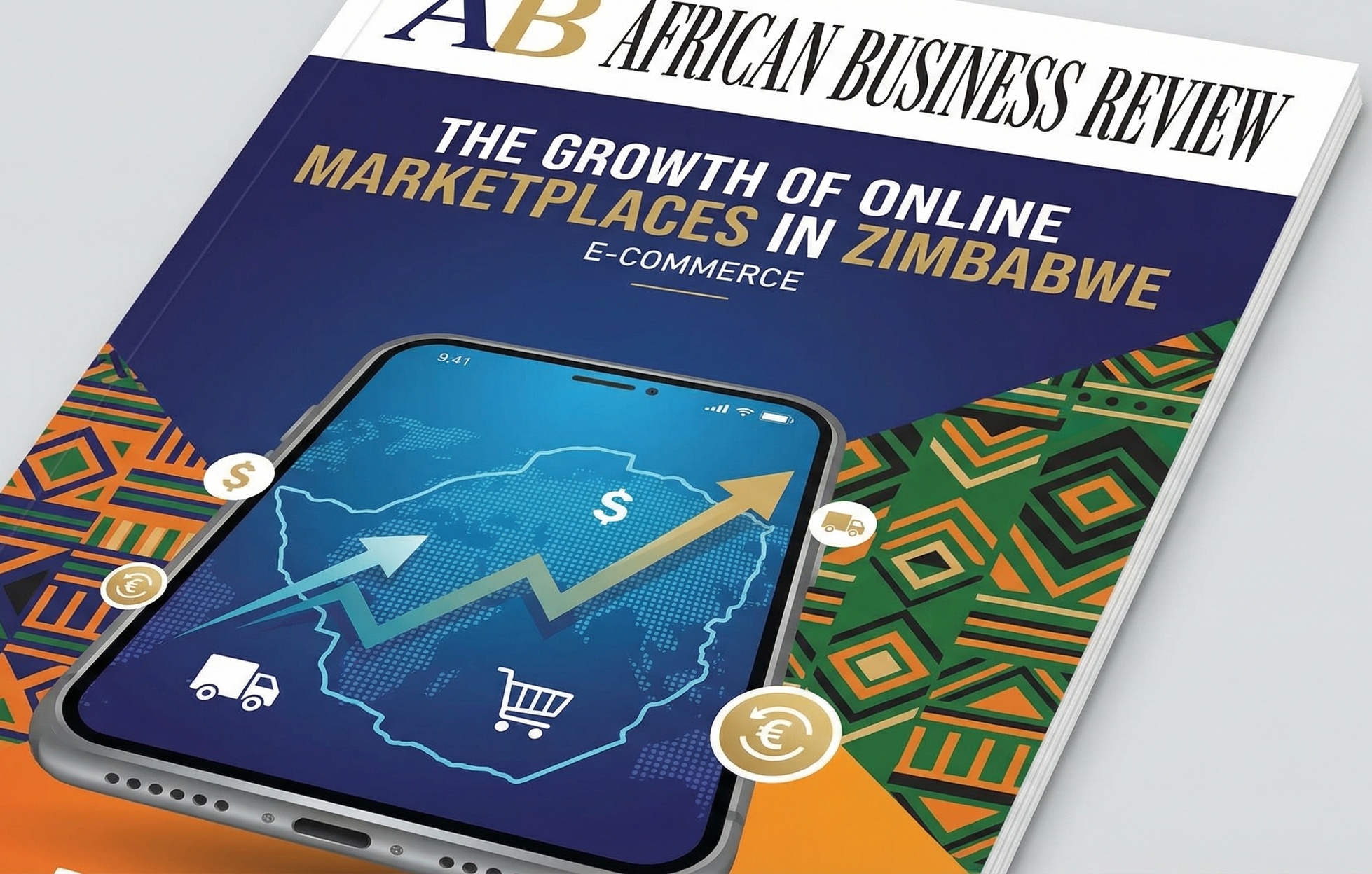
E-commerce is transforming how Zimbabweans buy and sell goods, with online marketplaces becoming the cornerstone of this digital revolution. Platforms such as Ownai, Zimall, and Global e-commerce giants like Facebook Marketplace are changing the retail landscape, offering convenience, variety, and accessibility. For businesses, online marketplaces provide a cost-effective way to reach customers, while consumers enjoy the ability to compare products and shop from the comfort of their homes. This article explores the growth of online marketplaces in Zimbabwe, their benefits, challenges, and future prospects.
The Rise of E-Commerce in Zimbabwe
The growth of online marketplaces in Zimbabwe is driven by increased internet penetration, widespread use of mobile devices, and changing consumer behavior. As of 2024, over 50% of Zimbabweans have internet access, and mobile money services such as EcoCash have facilitated online transactions, making e-commerce more accessible.
Local platforms like Ownai have created a space for small and medium enterprises (SMEs) to list and sell their products, catering to a diverse range of goods, from electronics to groceries. Social media platforms, particularly Facebook Marketplace, have also emerged as informal marketplaces where buyers and sellers connect.
Global platforms like Amazon and Alibaba, while not fully operational in Zimbabwe, have influenced local businesses to adopt similar models, spurring innovation and competition.
Benefits of Online Marketplaces
Online marketplaces offer numerous advantages for both businesses and consumers. For businesses, they eliminate the need for physical storefronts, reducing overhead costs and enabling even small-scale sellers to operate. This has been particularly beneficial for SMEs and informal traders, who now have access to larger audiences.
For consumers, online marketplaces provide convenience and variety. Shoppers can browse multiple categories, compare prices, and access products that may not be available locally. The use of mobile payment systems further simplifies the purchasing process, fostering trust in digital transactions.
Online marketplaces also contribute to economic growth by creating jobs in logistics, delivery, and customer support. Entrepreneurs can launch and scale businesses with minimal investment, driving innovation and competitiveness.
Challenges Facing Online Marketplaces in Zimbabwe
Despite their growth, online marketplaces in Zimbabwe face several challenges. One major obstacle is the lack of reliable infrastructure, particularly in rural areas where internet connectivity and electricity supply are limited. This restricts both businesses and consumers from fully participating in e-commerce.
Trust and security concerns also hinder adoption. Many consumers are wary of online scams, counterfeit goods, and non-delivery of products, which can deter them from using online platforms. Businesses, too, face challenges with payment fraud and chargebacks.
Logistics and delivery remain significant hurdles, as Zimbabwe’s infrastructure is not fully equipped to handle the demands of e-commerce. High delivery costs and delays in shipping can negatively impact customer satisfaction.
Regulatory issues, such as unclear policies on digital taxation and cross-border trade, add another layer of complexity for businesses looking to expand their online operations.
Future Prospects for Online Marketplaces
The future of online marketplaces in Zimbabwe is promising, with significant room for growth. As internet penetration continues to increase and mobile money systems expand, more consumers will embrace e-commerce. Investments in infrastructure, such as improved road networks and 5G technology, will enhance accessibility and reliability.
To address trust issues, platforms can implement robust verification processes for sellers and introduce buyer protection programs. Educating consumers about online security and ensuring transparency in transactions will also build confidence in e-commerce.
Collaborations between online marketplaces and logistics companies can streamline delivery processes, reducing costs and improving efficiency. Leveraging drone technology and smart logistics solutions could further revolutionize the industry.
Local platforms can gain a competitive edge by integrating features tailored to Zimbabwean consumers, such as vernacular language support and partnerships with local artisans and farmers. These initiatives will make e-commerce more inclusive and culturally relevant.
Conclusion
Online marketplaces are reshaping the retail landscape in Zimbabwe, offering opportunities for businesses and convenience for consumers. While challenges such as infrastructure limitations and trust issues persist, the continued growth of internet access and technological advancements will drive the industry forward. By addressing these obstacles and fostering innovation, Zimbabwe can unlock the full potential of e-commerce, creating a thriving digital economy that benefits all stakeholders.
Meta Description
Explore the growth of online marketplaces in Zimbabwe, highlighting their benefits, challenges, and future prospects in the evolving e-commerce landscape.
Keywords
Online marketplaces Zimbabwe, e-commerce growth Zimbabwe, digital retail Zimbabwe, Ownai marketplace, mobile money e-commerce.
Sources
"E-Commerce Trends in Africa"
https://www.africadigitalhub.org/
"The Role of Online Marketplaces in Zimbabwe’s Economy"
https://www.zimcommercehub.com/
"Overcoming Challenges in African E-Commerce"
https://www.globalonlinemarketplaces.org/