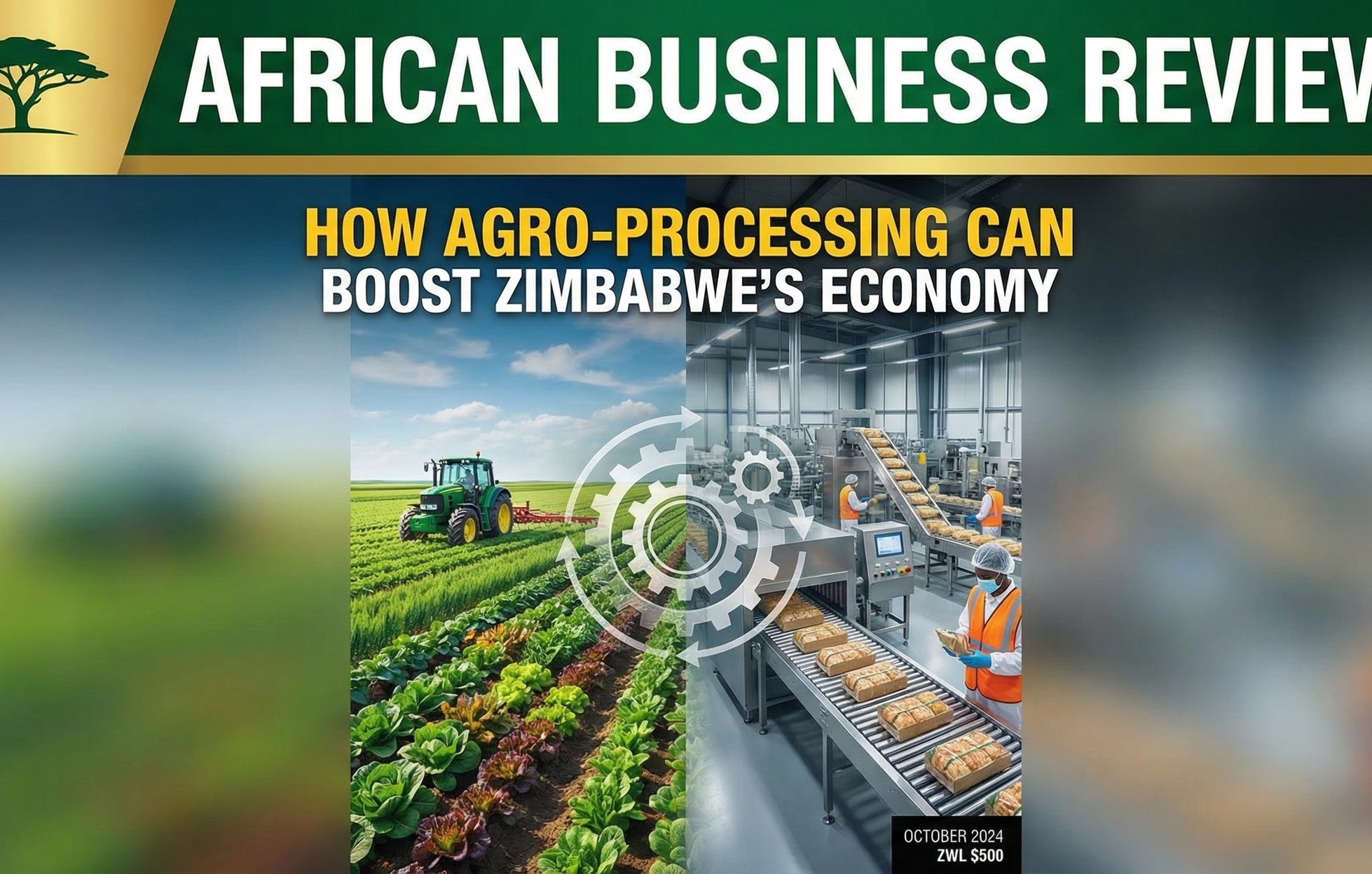
Agro-processing—the transformation of raw agricultural products into finished or semi-finished goods—is a critical driver of economic growth in many developing countries. In Zimbabwe, agro-processing holds immense potential to enhance the value of agricultural produce, create jobs, and contribute to export earnings. This article examines how investing in agro-processing can boost Zimbabwe’s economy and outlines strategies for maximizing its impact.
The Importance of Agro-Processing
Agriculture contributes significantly to Zimbabwe’s GDP, but much of the country’s produce is sold as raw materials with minimal value addition. Agro-processing addresses this challenge by creating higher-value products, such as processed foods, beverages, and industrial materials. These products command better prices in both local and international markets, increasing profitability for farmers and businesses.
Agro-processing also strengthens the agricultural value chain by improving efficiency, reducing post-harvest losses, and fostering market integration. By developing this sector, Zimbabwe can diversify its economy and reduce its reliance on raw commodity exports.
Key Areas of Agro-Processing in Zimbabwe
1. Food and Beverages
The food and beverage sector is a cornerstone of agro-processing in Zimbabwe. Products like canned vegetables, fruit juices, and dairy products are in high demand locally and abroad. Processing surplus fruits and vegetables reduces waste and creates long-lasting products with extended market reach.
2. Grain Milling and Baking
Milling grains such as maize, wheat, and sorghum into flour is a vital agro-processing activity. Flour serves as a base for products like bread, pasta, and biscuits, catering to both urban and rural consumers. Adding value to traditional grains like millet and finger millet also taps into health-conscious markets.
3. Oilseed Processing
Zimbabwe produces a variety of oilseeds, including soybeans, sunflower, and groundnuts. Processing these seeds into cooking oil, peanut butter, and animal feed creates multiple revenue streams and reduces dependency on imports.
4. Livestock and Poultry Products
Processing meat, milk, and eggs into packaged goods such as sausages, cheese, and powdered milk adds significant value to raw livestock products. These processed goods cater to urban households and export markets.
5. Fiber and Industrial Products
Cotton processing into textiles and by-products like cottonseed oil and animal feed exemplifies how agro-processing extends beyond food. Other opportunities include turning sugarcane into ethanol and molasses for energy and industrial use.
Economic Benefits of Agro-Processing
1. Job Creation
Agro-processing is labor-intensive, creating employment opportunities across the value chain, from farming to processing to distribution. Small and medium-sized enterprises (SMEs) in agro-processing are particularly well-suited to absorb labor in rural areas.
2. Increased Export Revenue
Value-added products fetch higher prices in international markets compared to raw materials. For example, exporting processed fruits and packaged honey brings in more revenue than exporting raw produce. This shift enhances Zimbabwe’s trade balance and boosts foreign currency reserves.
3. Rural Development
Agro-processing facilities located in rural areas stimulate local economies by providing jobs, supporting farmers, and reducing urban migration. The development of rural industries also improves infrastructure, such as roads and electricity.
4. Enhanced Food Security
By reducing post-harvest losses and improving the shelf life of food, agro-processing ensures a stable supply of nutritious products throughout the year. This contributes to national food security and resilience against climate shocks.
Challenges in Agro-Processing
Despite its potential, Zimbabwe’s agro-processing sector faces challenges, including:
Inadequate Infrastructure: Poor roads, unreliable electricity, and limited access to water hinder processing activities.
Lack of Financing: High capital costs for equipment and facilities deter investment in agro-processing.
Market Access: Farmers and processors often struggle to find reliable markets for their products.
Addressing these challenges requires coordinated efforts from the government, private sector, and development partners.
Strategies for Promoting Agro-Processing
1. Public-Private Partnerships (PPPs):
Collaborations between the government and private investors can mobilize resources for infrastructure development and support agro-processing ventures.
2. Access to Financing:
Offering low-interest loans, grants, or subsidies for agro-processing equipment encourages investment in the sector.
3. Training and Capacity Building:
Equipping farmers and processors with skills in quality control, packaging, and marketing enhances the competitiveness of Zimbabwean products.
4. Export Promotion:
Trade fairs, certification programs, and partnerships with international buyers can help agro-processors access global markets.
Conclusion
Agro-processing is a powerful engine for economic growth in Zimbabwe, offering opportunities to increase profitability, create jobs, and reduce waste. By investing in value addition and addressing challenges through strategic initiatives, Zimbabwe can unlock the full potential of its agricultural sector. Supporting agro-processing will not only boost the economy but also improve rural livelihoods and strengthen food security, paving the way for sustainable development.
Meta Description
Discover how agro-processing can boost Zimbabwe’s economy by adding value to agricultural produce, creating jobs, and increasing export revenue.
Keywords
Agro-processing Zimbabwe, value addition agriculture, food processing Zimbabwe, economic growth Zimbabwe, agricultural exports Zimbabwe.
Sources
"The Role of Agro-Processing in Africa’s Economic Growth"
https://www.africaagriculturehub.com/
"Agro-Processing Opportunities in Zimbabwe"
https://www.zimagriculturehub.com/
"Strategies for Promoting Agro-Processing in Developing Countries"
https://www.globalagriculture.org/