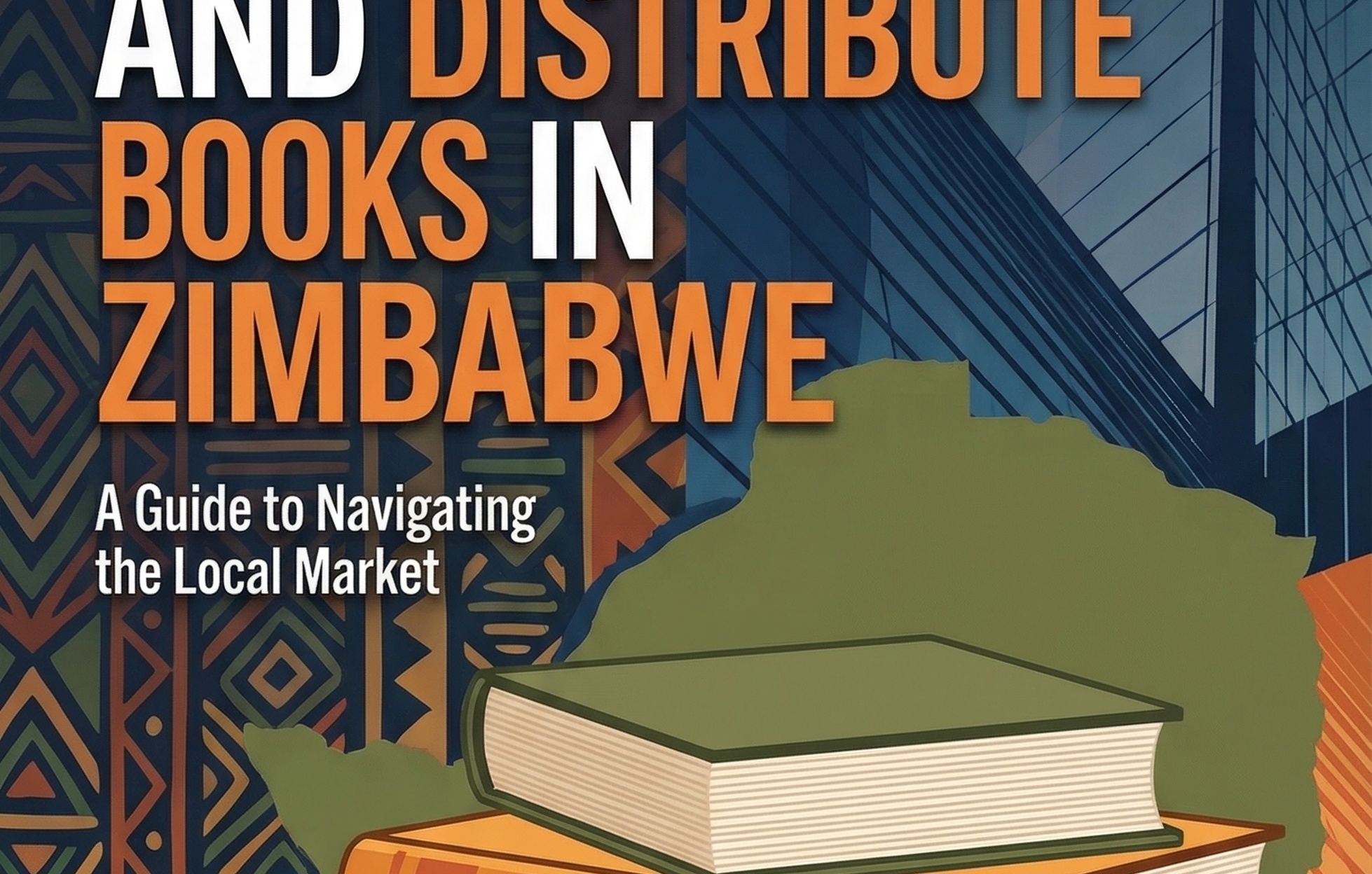
Publishing and distributing books in Zimbabwe can be both an exciting and challenging journey for authors. The country's growing literary community and the increasing use of digital platforms offer new opportunities for writers to share their work with local and global audiences. However, navigating the publishing landscape requires knowledge of the available options, processes, and strategies to ensure a successful launch. This article provides a comprehensive guide to publishing and distributing books in Zimbabwe.
Understanding the Publishing Landscape
The Zimbabwean publishing industry includes both traditional publishing houses and self-publishing options. Traditional publishers, such as College Press and Mambo Press, focus on educational materials and fiction, providing editorial, design, and distribution support. However, these publishers often prioritize established authors or projects with clear market demand.
For emerging authors, self-publishing has become an increasingly popular route. This approach allows writers to maintain control over their content and profits while leveraging tools like print-on-demand services and digital publishing platforms. However, self-publishing requires authors to take on the responsibilities of editing, design, marketing, and distribution.
Steps to Publish a Book in Zimbabwe
To publish a book in Zimbabwe, authors must follow a series of key steps:
Writing and Editing
The first step is crafting a compelling manuscript. Once the manuscript is complete, it should undergo professional editing to ensure high-quality content. Working with an editor who understands the target audience can greatly enhance the book’s appeal.
Design and Formatting
The book’s visual presentation is critical to its success. Authors must invest in professional cover design and formatting to create an appealing product that stands out in the marketplace. Tools like Canva and Adobe InDesign can assist with this process.
Choosing a Publishing Route
Authors must decide between traditional publishing and self-publishing. Traditional publishers often require submissions through agents or direct proposals, while self-publishers can use platforms like Amazon Kindle Direct Publishing (KDP) or local print-on-demand services to produce their books.
ISBN Registration
Every book requires an International Standard Book Number (ISBN) to facilitate cataloging and distribution. In Zimbabwe, ISBNs can be obtained through the Zimbabwe International Book Fair (ZIBF) or the National Library.
Printing or Digital Production
For physical books, authors can work with local printing companies to produce high-quality copies. Digital books, on the other hand, can be uploaded to e-book platforms such as Smashwords, Kobo, or Amazon.
Strategies for Effective Distribution
Distribution is a critical aspect of reaching readers. Authors should consider both traditional and digital distribution channels to maximize their book’s visibility.
For physical books, partnering with bookstores, schools, and libraries can ensure wider reach. Authors can also sell their books directly through community events, workshops, and literary festivals like the Zimbabwe International Book Fair.
Digital distribution offers even broader opportunities. Platforms like Amazon, OkadaBooks, and Wattpad enable authors to connect with readers across the globe. Social media and personal websites are also powerful tools for promoting and selling books online.
Challenges in Publishing and Distribution
Authors in Zimbabwe face several challenges, including high printing costs, limited distribution networks, and piracy. Access to affordable printing services is a persistent issue, often making it difficult to produce large quantities of physical books. Additionally, the lack of established distribution networks in rural areas restricts access to certain audiences.
To overcome these challenges, authors can explore crowdfunding to finance printing costs or collaborate with other writers to share resources. Protecting intellectual property rights through copyright registration is also essential to combat piracy and unauthorized reproductions.
Conclusion
Publishing and distributing books in Zimbabwe requires a combination of creativity, perseverance, and strategic planning. By understanding the available options and leveraging both traditional and digital platforms, authors can successfully share their stories with the world. As the publishing landscape continues to evolve, Zimbabwean writers have more opportunities than ever to leave their mark on the literary world.
Meta Description
Learn how to publish and distribute books in Zimbabwe with this comprehensive guide. Explore traditional publishing, self-publishing, and effective distribution strategies.
Keywords
Publishing books Zimbabwe, self-publishing Zimbabwe, book distribution Zimbabwe, ISBN registration Zimbabwe, digital publishing platforms.
Sources
"The Zimbabwe International Book Fair: Supporting Local Authors"
https://www.zibf.org.zw/
"Amazon Kindle Direct Publishing: A Guide for African Writers"
https://kdp.amazon.com/
"How Self-Publishing is Changing the Literary Landscape in Zimbabwe"
https://www.africaliteraryhub.com/
 WhatsApp for a Google-Ready Website