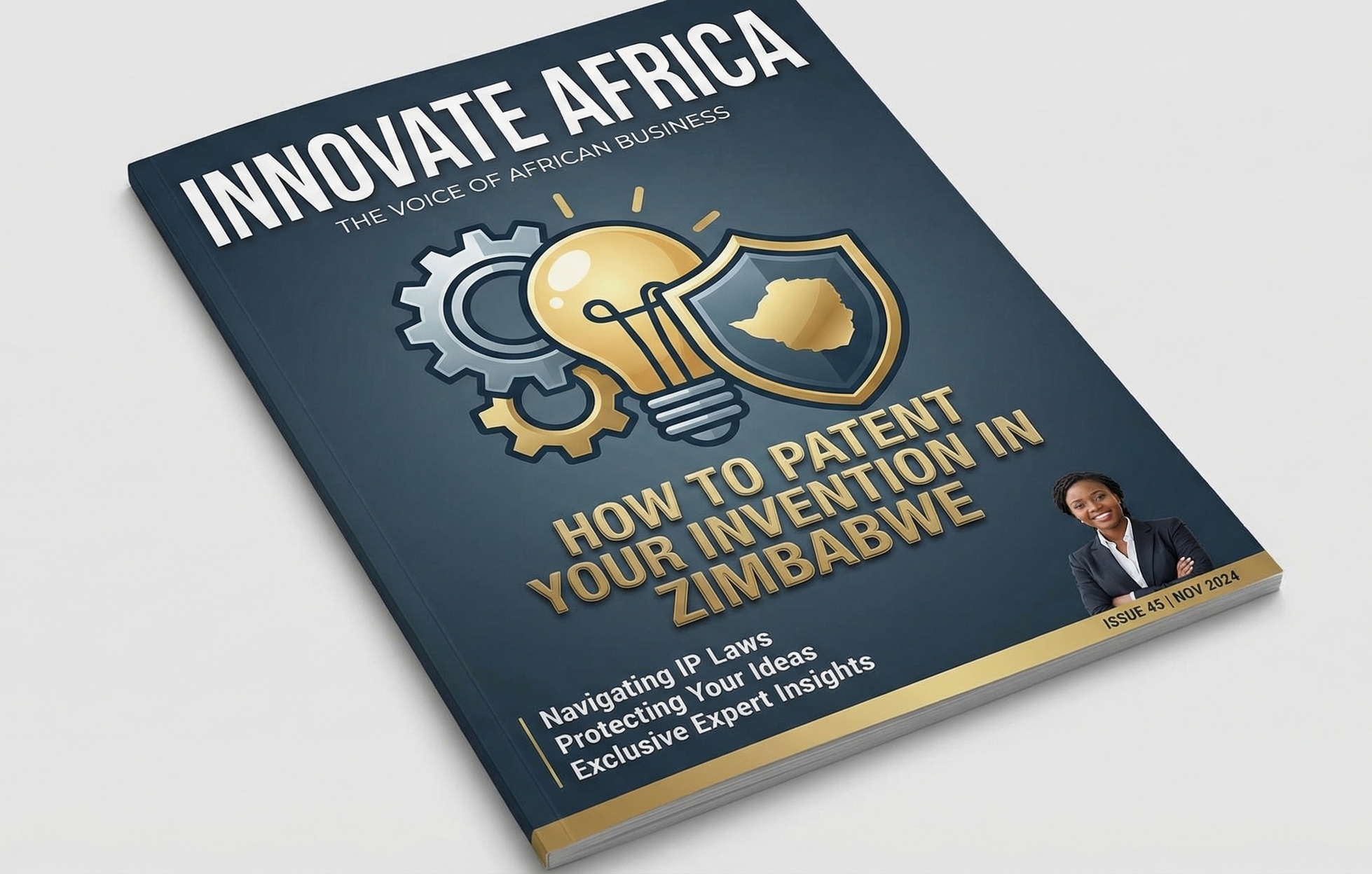
Innovation is the lifeblood of any economy, and patents play a crucial role in protecting inventors’ rights while encouraging the development of new technologies. In Zimbabwe, the patenting process ensures that inventors have exclusive rights to their inventions, allowing them to commercialize their ideas without fear of exploitation. This article provides a step-by-step guide to patenting an invention in Zimbabwe, including the benefits of securing a patent and the challenges inventors may encounter.
Understanding Patents
A patent is a legal document that grants an inventor exclusive rights to use, produce, and sell their invention for a specific period, typically 20 years in Zimbabwe. To qualify for a patent, an invention must be new, involve an inventive step, and have industrial applicability. Patents provide inventors with a competitive edge by preventing others from using their innovations without permission.
For Zimbabwean inventors, patents are especially important in fields like agriculture, manufacturing, and technology, where innovation drives productivity and competitiveness. A patented invention can also serve as a valuable asset, attracting investors or generating income through licensing agreements.
Steps to Patent an Invention in Zimbabwe
Patenting an invention in Zimbabwe involves several stages, each designed to ensure that only genuinely novel and useful ideas receive protection.
Research and Documentation
Before applying for a patent, inventors must conduct thorough research to ensure their invention is unique. This involves searching existing patents locally and internationally to confirm that the invention has not been patented before. Documenting every detail of the invention, including designs, prototypes, and processes, is crucial for a strong application.
Filing an Application
The patent application is submitted to the Zimbabwe Intellectual Property Office (ZIPO). This includes a completed application form, a detailed description of the invention, technical drawings (if applicable), and proof of payment for the application fee. The description must clearly explain how the invention works and why it is innovative.
Examination and Approval
Once submitted, the application undergoes an examination process to verify its novelty, industrial applicability, and compliance with legal requirements. If the invention meets all criteria, the patent is granted, and the inventor receives a certificate of patent registration.
Maintaining the Patent
After the patent is granted, inventors must pay annual renewal fees to keep it in force. Failure to pay these fees may result in the patent lapsing, making the invention available for public use.
Benefits of Securing a Patent
Securing a patent offers numerous benefits. It provides legal protection, ensuring that inventors can enforce their rights in case of infringement. Patents also enhance the commercial value of an invention, attracting investors and business partners. Additionally, they encourage innovation by giving inventors the confidence to develop and share their ideas without fear of exploitation.
Challenges in Patenting
Patenting in Zimbabwe comes with its challenges. The cost of filing and maintaining a patent can be prohibitive for some inventors, particularly small businesses or individual entrepreneurs. Limited awareness about the patenting process also deters many innovators from seeking protection. Furthermore, enforcing patent rights can be challenging, especially in cases of cross-border infringement.
To address these issues, initiatives such as subsidized patenting fees for small businesses and public awareness campaigns are needed. Strengthening regional collaboration through bodies like the African Regional Intellectual Property Organization (ARIPO) can also help Zimbabwean inventors secure protection beyond national borders.
Conclusion
Patenting an invention in Zimbabwe is a vital step for innovators seeking to protect their ideas and maximize their commercial potential. By understanding the process and its benefits, inventors can safeguard their rights while contributing to the nation’s innovation ecosystem. Overcoming challenges in cost and enforcement will require support from policymakers and stakeholders, ensuring that Zimbabwe remains a fertile ground for creativity and progress.
Meta Description
Learn how to patent your invention in Zimbabwe with this step-by-step guide. Discover the benefits of patenting and how it protects your innovative ideas.
Keywords
Patent process Zimbabwe, how to patent Zimbabwe, ZIPO, invention protection Zimbabwe, intellectual property Zimbabwe, ARIPO.
Sources
"Zimbabwe Intellectual Property Office: Patent Services"
https://www.zipo.gov.zw/
"African Regional Intellectual Property Organization (ARIPO)"
https://www.aripo.org/
"The Importance of Patents in Driving Innovation in Africa"
https://www.africaiphub.com/