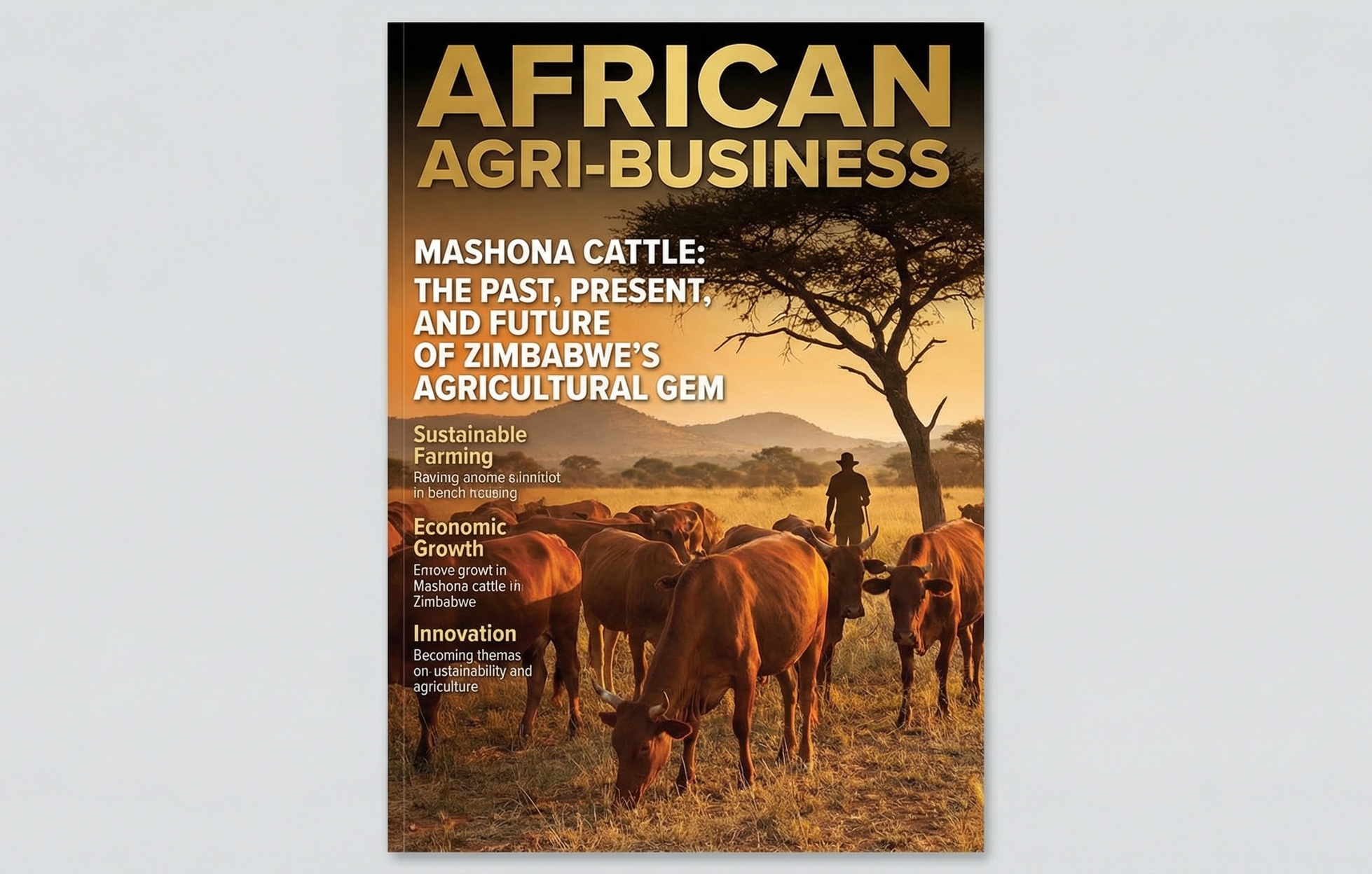
Mashona cattle, a breed deeply rooted in Zimbabwe’s history, have emerged as a vital asset in beef and hide farming worldwide. Known for their adaptability, reproductive efficiency, and exceptional beef quality, this breed has transitioned from being a local treasure to an internationally recognized agricultural resource. This article delves into the origin, characteristics, global success, and future potential of Mashona cattle, highlighting their significance to Zimbabwe and beyond.
A Breed with a Legacy
The Mashona cattle trace their ancestry back over a thousand years, evolving under the stewardship of the Shona people of eastern Zimbabwe. They belong to the Sanga group, a hybrid lineage formed from crossbreeding ancient African and Asian cattle species, including Bos taurus, Bos indicus, and Bos brachyceros. This genetic blend has endowed Mashona cattle with the resilience to thrive in Africa's challenging environment, making them a cornerstone of Zimbabwe's agricultural history.
Physical Characteristics and Resilience
Mashona cattle are small to medium-sized animals, with cows weighing between 260 to 410 kilograms and bulls ranging from 350 to 635 kilograms. Their sleek coats, often black or red, are more than a cosmetic trait—they are a crucial adaptation. The coat protects them from heat and ultraviolet radiation, while their thick, movable skin and high sebum secretion help fend off parasites and tick-borne diseases.
These cattle are compact and agile, allowing them to navigate diverse terrains with ease. They possess excellent heat dissipation abilities thanks to their numerous sweat glands, making them ideal for farming in regions with high temperatures. This adaptability has made Mashona cattle a preferred breed not only in Zimbabwe but also in other countries with similar climates.
Fertility and Reproductive Efficiency
One of the most remarkable traits of Mashona cattle is their exceptional reproductive efficiency. Studies have shown that they outperform other indigenous breeds like the Afrikaner and Tuli in pregnancy and reconception rates. This fertility advantage allows Mashona cows to produce and rear up to 11 calves in their lifetime, a testament to their hardiness and value in farming systems.
Beef Production and Quality
Mashona cattle are primarily raised for beef, a sector where they excel. Their smaller size and efficient feed conversion rates enable farmers to produce more beef per hectare compared to larger breeds. Additionally, their meat is known for its tenderness and rich flavor, attributes that have driven demand both locally and internationally. This combination of efficiency and quality positions Mashona cattle as a highly profitable choice for beef farmers.
The Global Reach of Mashona Cattle
While Mashona cattle are indigenous to Zimbabwe, their appeal has transcended borders. In the mid-1990s, efforts to export Mashona genetics led to the introduction of the breed to the United States. The first Mashona calf in the U.S. was born in 1997, and the breed has since proven its adaptability in states like New Mexico. In South Africa, Mashona cattle have also gained traction for their resilience and cost-effectiveness in extensive farming systems.
This global expansion has not only increased the breed's genetic diversity but also underscored its value as a resource in climates similar to Zimbabwe’s. International interest in Mashona cattle reflects their potential to address challenges in sustainable beef production worldwide.
Impact on Zimbabwe’s Beef and Hide Industries
In Zimbabwe, Mashona cattle remain a cornerstone of agricultural production. Their high fertility and efficiency make them a cost-effective choice for smallholder and commercial farmers alike. The breed's pigmented hides are not only durable but also suitable for high-quality leather production, adding value to the hide industry.
Mashona cattle contribute significantly to the country's rural economy, supporting livelihoods through beef and hide farming. As Zimbabwe seeks to modernize its agricultural sector, this breed offers a sustainable path forward, combining traditional knowledge with innovative farming practices.
The Future of Mashona Cattle
Looking ahead, Mashona cattle are poised to play a critical role in the global push for sustainable agriculture. Their ability to thrive on low-input farming systems aligns with the growing demand for environmentally friendly and resource-efficient livestock. In Zimbabwe, efforts to preserve and promote this breed can lead to increased exports of genetics, meat, and hides, boosting the country's agricultural economy.
Collaboration between local farmers, government agencies, and international stakeholders can further enhance the breed's global reputation. Investment in research and breeding programs will ensure the Mashona’s genetic diversity and adaptability continue to meet future farming challenges.
Benefits to Zimbabwe
Mashona cattle offer immense benefits to Zimbabwe, from strengthening food security to promoting economic growth. As a breed deeply intertwined with the country’s heritage, they symbolize resilience and innovation. By leveraging the unique traits of Mashona cattle, Zimbabwe can cement its position as a leader in sustainable livestock farming. This breed is not only a testament to the country’s rich agricultural history but also a beacon of its potential to thrive in a globalized market.
Meta Description
Explore the legacy, adaptability, and global success of Mashona cattle, Zimbabwe’s indigenous breed renowned for its beef quality, resilience, and economic impact.
Keywords
Mashona cattle, Zimbabwe cattle breeds, beef farming, sustainable livestock, cattle hide industry, indigenous cattle, global cattle farming, Mashona adaptability, beef quality, Zimbabwe agriculture.
Cambridge University Press – https://www.cambridge.org/core/journals/experimental-agriculture/article/abs/origin-environment-and-description-of-the-mashona-cattle-of-rhodesia/68380564F435A5BBB8BB2A8E22E1E41E
International Livestock Research Institute (ILRI) – https://agtr.ilri.org/mashona
Mashona Cattle Zimbabwe – https://mashonacattlezim.co.zw/mashonamerits.html
Farmer’s Weekly – https://www.farmersweekly.co.za/animals/cattle/mashona-small-in-stature-big-in-value/
American Mashona – https://www.americanmashona.com/
Mashona Cattle South Africa – https://www.mashonacattle.com/