Lifestyle – Wellness & Fitness · Editorial
By Moakanyi Magazine · China-in-Africa · June 2026
The familiar image of China in Africa is steel – a rail line, a deepwater berth, a transmission tower. Yet one of the longest-running threads in the relationship carries no concrete at all. It is a clinician at a district hospital, far from any summit, and it has been running for more than six decades.
China dispatched its first medical team to Algeria in 1963, shortly after the country's independence and at a moment when Beijing had little money to spare. The programme has outlasted Cold War alignments, debt cycles and successive aid fashions – which is itself the point. According to figures cited by the World Bank, by the late 2000s more than 17,000 Chinese medical team members had served across 47 African countries since the programme began. That is a continuity almost no other external health partnership on the continent can claim.
The numbers: a continuity few aid programmes match
Longevity is the headline statistic, and it is worth dwelling on. A programme that began under one geopolitical order and survived into another suggests something structural rather than transactional – a fixture rather than a campaign. China's foreign ministry has since put cumulative deployments higher still, at around 23,000 team members treating some 230 million patients.
Those later figures sit firmly on the promotional side of the ledger and are hard to audit independently, so they are best read as attributed claims rather than settled fact. But even the conservative, externally cited numbers point to a programme operating at genuine scale, sustained across decades when far better-funded donor schemes came and went. The durability is the data point that does not need inflating.
The most durable infrastructure China has built in African health may be the staffing rota, not the building.
The model: rotating teams, not permanent presence
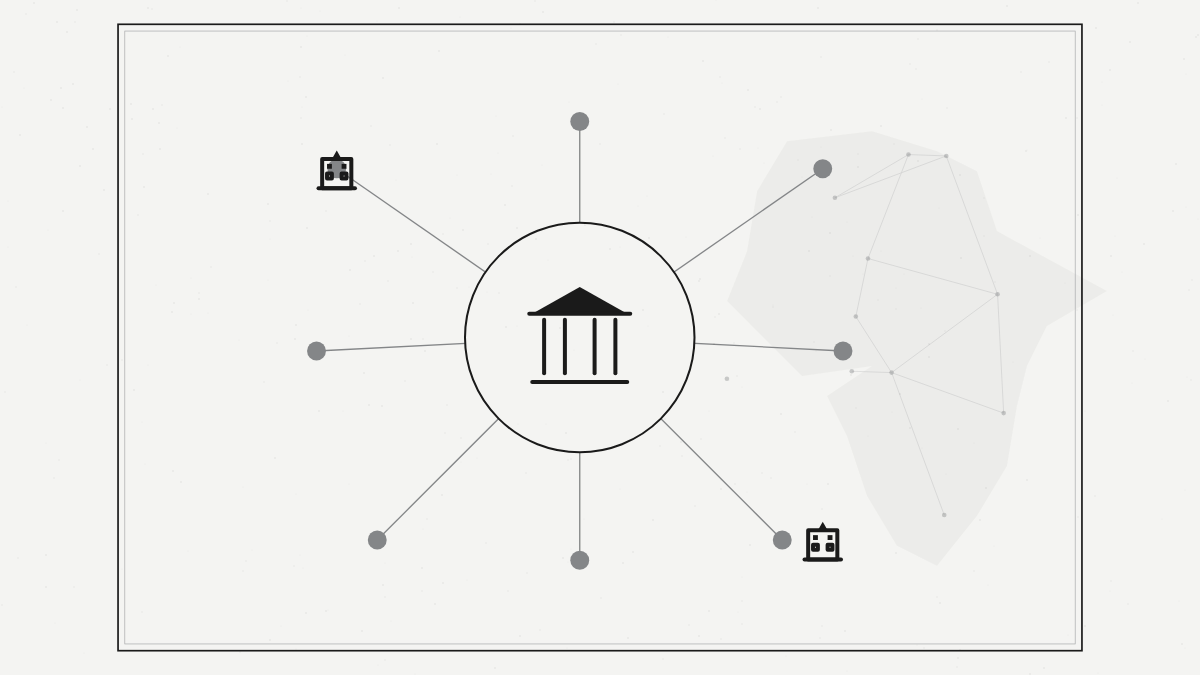
The teams work in rotations, typically attached to a national hospital and paired with a specific Chinese province that recruits, funds and dispatches them. The arrangement keeps a Chinese clinical presence in a host country without permanent posting, spreads the cost across provincial budgets rather than a single national line, and has historically reached rural facilities that struggle to attract and retain staff of their own.
The gap it does not close is the one African health ministries name most often. Rotating foreign teams treat patients and ease an immediate shortage, but they do not, on their own, build a domestic workforce that stays. A team that flies home every cycle relieves the symptom of understaffing without curing the cause, and the value of the whole arrangement turns on whether each rotation is used to train local clinicians who remain.
A visiting doctor relieves a shortage for a season; only a trained local one ends it.
The context: charity, diplomacy, and the questions in between
It would be naive to read the programme as pure philanthropy. Medical diplomacy has always carried political weight, and the teams have tracked China's broader diplomatic map, arriving where relationships were being built and reinforced. The goodwill they generate at the bedside is real, and so is its usefulness to Beijing.
It is equally a mistake to dismiss the clinical record on those grounds. The teams long predate both the Belt and Road era and the loans now drawing scrutiny, and they are the part of the relationship least entangled in debt – no repayment schedule attaches to a consultation. That makes them an unusual case in the China-Africa account: a contribution African patients have encountered directly, on terms that carry little of the financial risk attached to the megaprojects.
Where the megaproject ledger invites argument, the clinic ledger mostly invites the next patient.
The continental meaning: a relationship older than the headlines
Read across the whole continent, the medical teams reframe what the China-Africa relationship has actually been. The story is usually told as a recent one – a Belt and Road era of ports, rail and loans dating from the 2000s. The teams predate all of it by forty years, which means the health relationship is not a sweetener bolted onto an infrastructure push but the older root from which much of the goodwill grew.
That continuity also sets a benchmark the newer engagement is measured against. A programme that quietly placed clinicians in 47 countries over six decades demonstrates that China can sustain a low-cost, low-controversy contribution when it chooses to – which sharpens, rather than softens, the questions about the high-cost, high-debt projects that now dominate the relationship. The clinic shows what patient, unflashy cooperation looks like; the megaproject is held to that standard.
The oldest thread is also the yardstick the newest projects are judged against.
For African health systems weighing what to keep from China's engagement, the medical teams offer a test case in what good cooperation looks like. The durable value lies less in the visiting clinician than in whether the rotation is deliberately used to transfer skills that remain when the team departs. Sixty years in, that remains the open question – and, on a continent still short of doctors, the one most worth answering.
Sources: World Bank, South China Morning Post