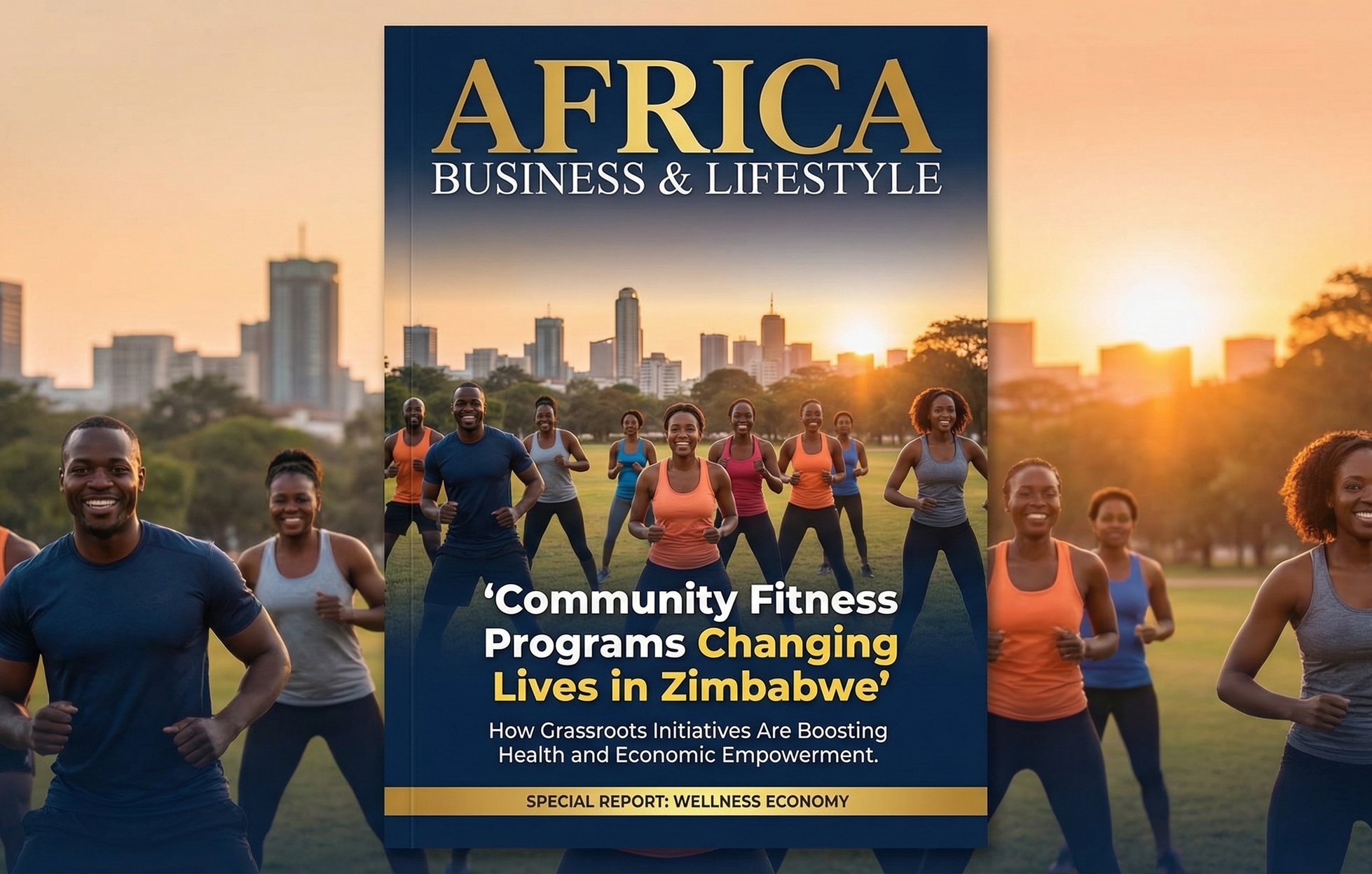
Fitness is often seen as an individual pursuit, but in Zimbabwe, community fitness programs are transforming the concept into a collective effort that impacts entire neighborhoods. These programs provide affordable and accessible ways for people of all ages to improve their health, engage socially, and combat lifestyle-related diseases. By fostering inclusion and promoting healthier habits, community fitness initiatives are creating lasting positive changes in the lives of Zimbabweans. This article examines the role of community fitness programs, their benefits, and how they are shaping the health landscape of the nation.
The Growth of Community Fitness Programs
Community fitness programs have grown in popularity across Zimbabwe due to their accessibility and inclusivity. Unlike gyms that require costly memberships, these programs are often free or low-cost, allowing people from all walks of life to participate. Activities such as aerobics, yoga, Zumba, and organized sports are commonly featured, making exercise both fun and engaging.
Programs are typically hosted in public spaces like parks, school grounds, and community halls, ensuring they are convenient for participants. For instance, morning aerobics sessions in Harare Gardens or dance fitness classes in local townships attract diverse groups, from working professionals to stay-at-home parents and retirees.
Positive Impacts on Health and Well-Being
The health benefits of community fitness programs are profound. By promoting regular physical activity, these initiatives help participants manage weight, improve cardiovascular health, and reduce the risk of conditions such as diabetes and hypertension. Mental health also improves as exercise reduces stress, anxiety, and depression, fostering a sense of well-being.
Beyond physical health, community programs strengthen social bonds. Exercising in a group setting creates a sense of belonging and support, encouraging participants to stay consistent in their fitness journeys. These programs often evolve into networks of mutual encouragement, making health a shared goal.
Economic and Educational Benefits
Community fitness programs also have economic implications. They create opportunities for local fitness trainers, event organizers, and equipment suppliers, contributing to small business growth. Additionally, the focus on preventive health reduces the burden on the healthcare system, leading to long-term savings for individuals and the government.
Many programs incorporate educational components, such as workshops on nutrition, wellness, and disease prevention. These sessions empower participants with knowledge that extends beyond exercise, promoting holistic health improvements in their families and communities.
Challenges and Opportunities for Growth
Despite their success, community fitness programs face challenges such as limited funding, inadequate facilities, and a lack of professional trainers. Many initiatives rely on volunteer efforts, which can restrict their scalability and sustainability. Moreover, some rural areas lack access to these programs, leaving significant portions of the population underserved.
To overcome these challenges, partnerships between local governments, non-governmental organizations, and private sponsors are essential. Providing resources such as equipment, training for fitness instructors, and better facilities can help these programs thrive. Raising awareness through social media campaigns and local outreach can also encourage greater participation.
Examples of Successful Programs
In Zimbabwe, initiatives like "Run Harare" have gained attention for promoting fitness through community events. These programs often combine physical activity with fundraising for charitable causes, amplifying their impact. Another notable example is the integration of fitness into school curriculums, where students participate in weekly exercise sessions alongside their academic activities.
Rural areas have also seen innovative approaches, such as mobile fitness vans that travel to underserved communities, offering free fitness classes and wellness education. These efforts ensure that health promotion reaches even the most remote corners of the country.
Conclusion
Community fitness programs are making a meaningful difference in the lives of Zimbabweans by promoting health, fostering social connections, and driving economic and educational benefits. These initiatives prove that fitness is not just an individual endeavor but a collective movement that can uplift entire communities. With continued support and innovation, community fitness programs will remain a cornerstone of Zimbabwe’s health and wellness journey, inspiring healthier and more connected societies.
Meta Description
Explore how community fitness programs in Zimbabwe are improving health, fostering social bonds, and driving economic benefits through inclusive and accessible initiatives.
Keywords
Community fitness Zimbabwe, inclusive fitness programs, health initiatives Zimbabwe, aerobics programs Zimbabwe, rural fitness programs.
Sources
"Transforming Communities Through Fitness"
https://www.globalfitnessimpact.org/
"Inclusive Health Programs in Africa"
https://www.africafitnesshub.org/
"Community Fitness Programs in Zimbabwe"
https://www.zimcommunityhealth.org/
 WhatsApp for a Google-Ready Website