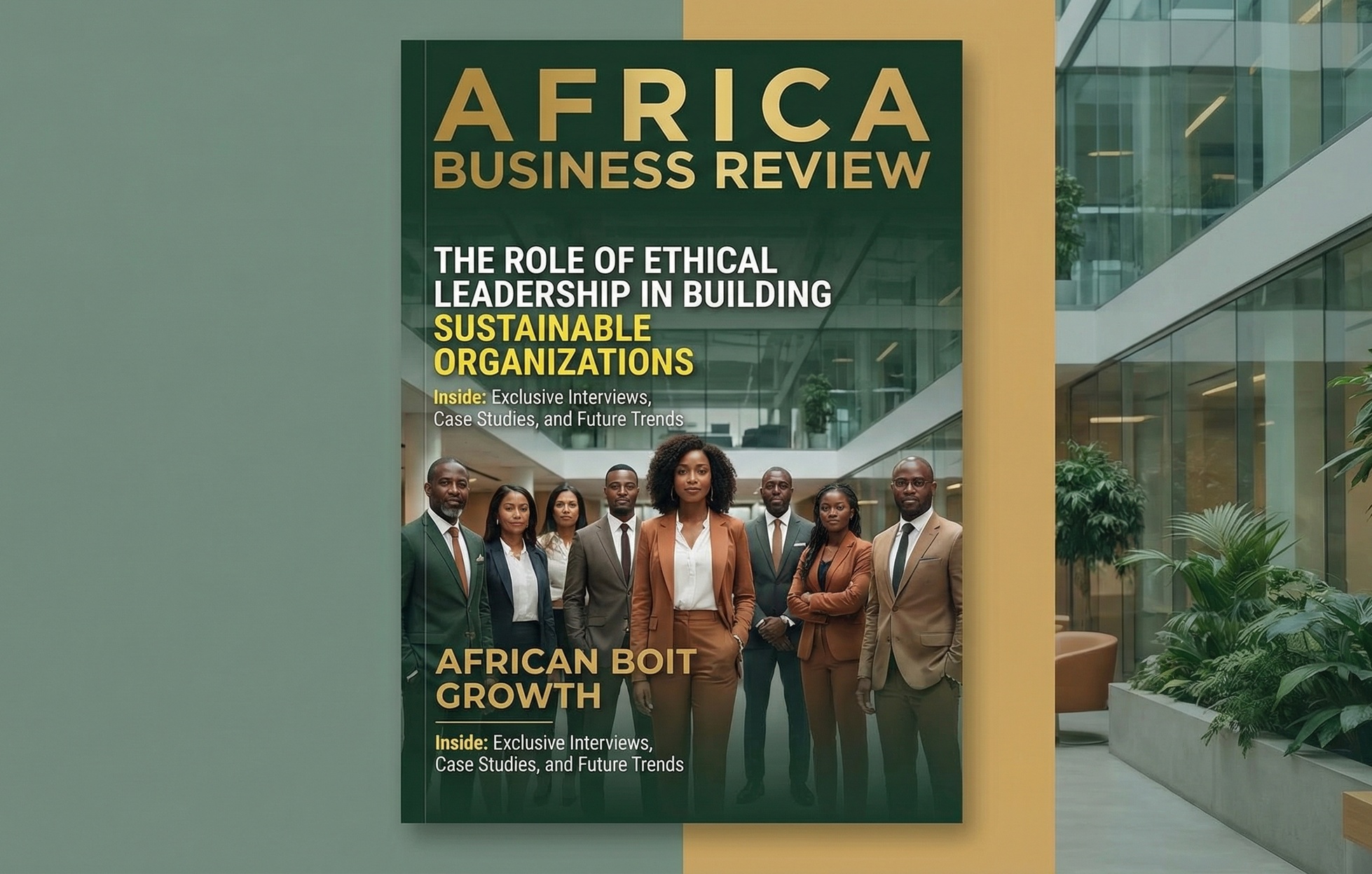
Ethical leadership is a cornerstone of sustainable business practices, fostering trust, accountability, and long-term success. In Zimbabwe, where businesses often face challenges ranging from economic volatility to governance issues, ethical leadership is more critical than ever. This article examines the importance of ethical leadership in building sustainable businesses, highlighting its impact on organizational culture, stakeholder trust, and resilience.
What is Ethical Leadership?
Ethical leadership is the practice of guiding a team or organization with integrity, transparency, and a commitment to doing what is right. Ethical leaders prioritize fairness, respect, and accountability in their decision-making processes, ensuring that their actions align with the values and goals of the organization.
In Zimbabwe, ethical leadership plays a vital role in addressing societal challenges while promoting corporate responsibility. Leaders who embody ethical principles not only inspire their teams but also build businesses that contribute positively to their communities and the economy.
Key Principles of Ethical Leadership
Ethical leadership in Zimbabwean businesses is characterized by several key principles:
Integrity
Ethical leaders uphold high moral standards, ensuring honesty and fairness in all interactions. They lead by example, demonstrating consistency between their words and actions.
Accountability
Taking responsibility for decisions and their consequences is a hallmark of ethical leadership. Leaders who are accountable foster a culture of trust, where employees feel empowered to take ownership of their work.
Transparency
Open communication and clear decision-making processes build confidence among stakeholders. Ethical leaders ensure that information is shared honestly, promoting a culture of openness and mutual respect.
Empathy
Understanding and addressing the needs of employees, customers, and communities is central to ethical leadership. Empathy helps leaders make decisions that balance organizational goals with social impact.
The Impact of Ethical Leadership on Business Sustainability
Ethical leadership has a profound impact on the sustainability of businesses in Zimbabwe. By fostering a positive organizational culture, ethical leaders attract and retain top talent, reducing turnover and improving employee morale. A motivated workforce is more productive and innovative, driving the long-term growth of the business.
For stakeholders, ethical leadership builds trust and loyalty. Customers are more likely to support businesses that demonstrate a commitment to fairness and social responsibility. Similarly, investors and partners are drawn to organizations with a reputation for integrity and accountability.
Ethical leaders also ensure that businesses operate responsibly within their communities. By prioritizing environmental sustainability, fair labor practices, and community engagement, they contribute to the well-being of society while enhancing the company’s reputation.
Ethical Leadership in Action: Zimbabwean Examples
Several Zimbabwean business leaders have demonstrated the power of ethical leadership in driving sustainability. For example, leaders in the agribusiness sector have adopted fair trade practices, ensuring that small-scale farmers receive equitable compensation. Others in the manufacturing industry have implemented eco-friendly processes, reducing their environmental footprint while promoting sustainable development.
These examples highlight the tangible benefits of ethical leadership, proving that profitability and responsibility can go hand in hand.
Challenges in Promoting Ethical Leadership
Despite its benefits, fostering ethical leadership in Zimbabwe is not without challenges. Corruption, lack of accountability, and economic pressures can undermine efforts to prioritize ethics in business. Additionally, short-term financial goals often conflict with long-term ethical considerations, leading to difficult trade-offs for leaders.
Overcoming these challenges requires a collective effort. Training programs, mentorship, and organizational policies that reinforce ethical behavior can support leaders in maintaining their commitment to integrity. Public recognition of ethical business practices can also incentivize others to follow suit.
Conclusion
Ethical leadership is essential for building sustainable businesses in Zimbabwe. By prioritizing integrity, accountability, and empathy, leaders can create organizations that thrive financially while contributing positively to society. As Zimbabwe continues to navigate economic and social challenges, ethical leadership will remain a powerful force for driving long-term success and resilience.
Meta Description
Explore the importance of ethical leadership in building sustainable businesses in Zimbabwe, focusing on integrity, accountability, and social responsibility.
Keywords
Ethical leadership Zimbabwe, sustainable businesses, accountability in leadership, integrity in business, corporate responsibility Zimbabwe.
Sources
"Ethical Leadership and Business Sustainability in Africa"
https://www.africanbusinessleaders.org/
"Case Studies of Responsible Business Practices in Zimbabwe"
https://www.zimcorporateresponsibility.com/
"The Role of Ethics in African Business Success"
https://www.africabusinessethics.org/
 WhatsApp for a Google-Ready Website